Before a game even launches, online discussions can sometimes become larger than the game itself. That appears to be happening with Mixtape, a narrative-focused title that quickly gained attention after its reveal. While many players became interested because of the game’s emotional storytelling style and nostalgic atmosphere, others began debating its presentation and overall direction online.
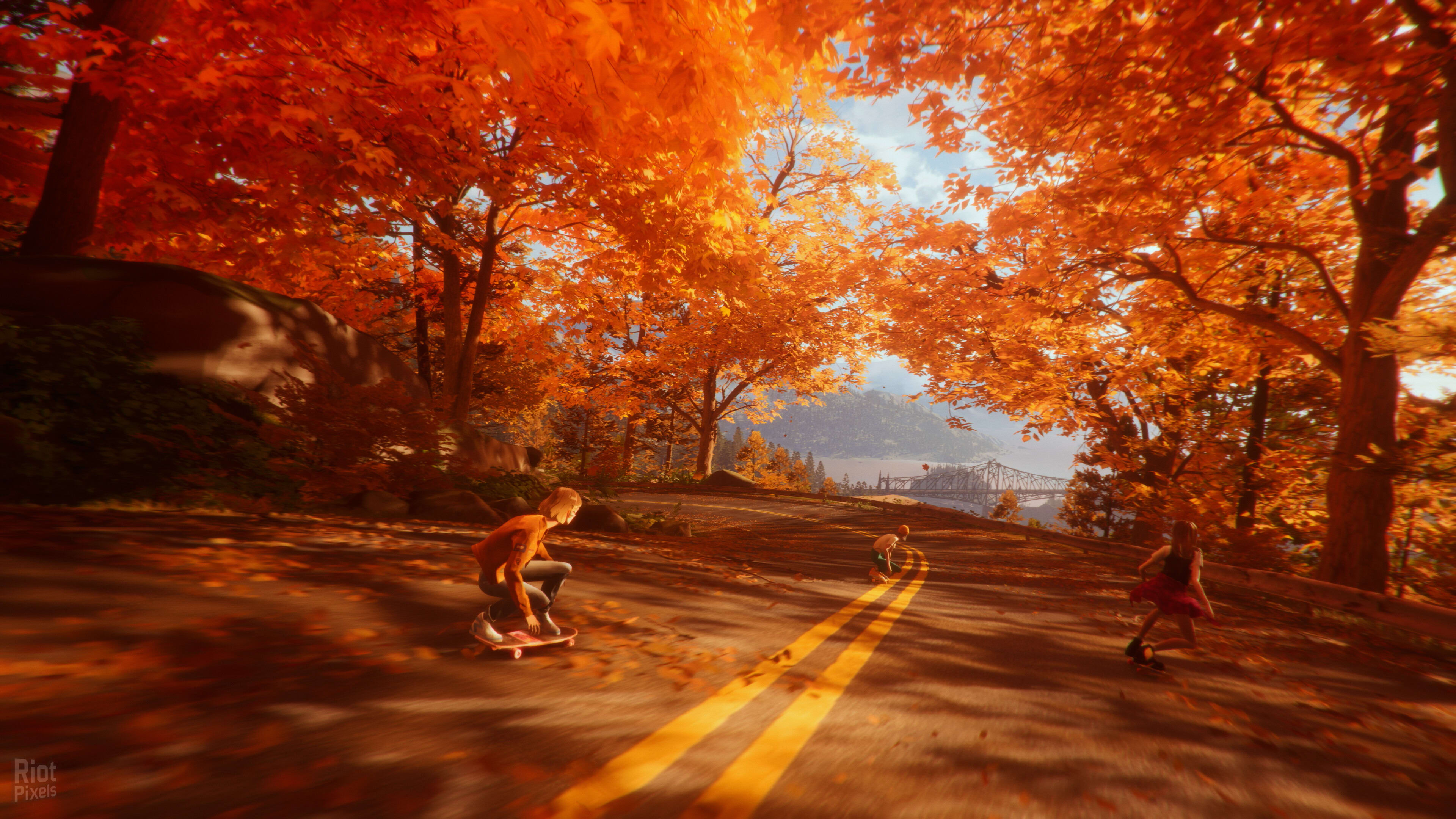
Mixtape immediately stood out because of its strong focus on memories, music, friendship, and youth culture. The game presents itself almost like an interactive coming-of-age movie, mixing emotional storytelling with stylized visuals and music-driven moments. For some players, this artistic approach feels refreshing compared to traditional action-focused games.
However, as often happens online, not everyone reacted positively. Some players criticized the game for appearing overly cinematic and not showing enough actual gameplay during early trailers. This has become a common criticism directed at narrative-heavy games where emotional presentation is prioritized more than combat or traditional mechanics.
Another reason Mixtape became controversial is because of the growing divide inside gaming communities regarding “movie-style” games. Some players enjoy story-driven experiences that focus on characters and atmosphere, while others believe modern games rely too heavily on cinematic storytelling instead of interactive gameplay systems.
The art style and tone of Mixtape also created mixed reactions. Many people praised the colorful presentation, nostalgic energy, and music-focused identity of the game. Others argued that the title appeared designed more around emotional aesthetics than long-term gameplay depth. These kinds of debates are common whenever indie games focus heavily on artistic storytelling.
Social media also amplified the discussion quickly. Clips from the trailer spread across platforms where players started arguing over whether Mixtape represented meaningful artistic creativity or simply another attempt to target nostalgia-driven audiences. Modern gaming conversations often become polarized very quickly, especially around narrative-focused projects.
Music appears to play a central role in Mixtape’s identity, and that alone attracted attention. Games that use licensed music or emotionally driven soundtracks often create strong emotional reactions from players because music is closely connected to memory and personal experiences. For some people, the game’s soundtrack and atmosphere became the main reason for excitement.
At the same time, critics online questioned whether the emotional tone shown in promotional material felt authentic or overly manufactured. In recent years, some players have become skeptical of games that heavily market themselves around emotional storytelling before release.
Another interesting part of the controversy is how expectations for indie games have changed. Smaller narrative titles were once seen as creative alternatives to large AAA games. Today, however, indie games receive intense scrutiny online, especially when they become highly visible through major showcases or publishers.
Despite the debates, many players remain excited for Mixtape precisely because it feels different from standard blockbuster releases. The game’s slower pace, emotional storytelling, and artistic presentation appeal to audiences looking for experiences focused more on atmosphere and character moments than constant combat.
Games centered around nostalgia can also create stronger emotional reactions because different players connect to those themes differently. Some people see nostalgia-focused storytelling as relatable and meaningful, while others view it as an easy way to attract attention without offering substantial gameplay innovation.
It is also important to remember that internet controversy does not always reflect the actual quality of a game. Many titles criticized heavily before launch later developed strong fan communities after players experienced them directly. Early reactions online are often based on short trailers rather than complete gameplay experiences.
Mixtape represents a growing trend in gaming where atmosphere, music, and emotional storytelling are becoming just as important as mechanics for certain audiences. Whether players love or dislike that direction usually depends on what they expect from games as a medium.
As release approaches, discussions around Mixtape will likely continue growing. Some players are excited for an emotional and artistic experience, while others remain skeptical about the gameplay depth behind the presentation. Regardless of the controversy, the game has already succeeded in getting people talking, which is something many smaller titles struggle to achieve.
In the modern gaming industry, visibility matters almost as much as reviews. Mixtape has already become part of larger conversations about storytelling, nostalgia, artistic design, and what players truly want from narrative-driven games. Whether the final release satisfies critics or supporters, the attention surrounding the game shows how powerful emotional presentation can be in modern gaming culture.