A Rat’s Quest Feels Different Immediately
Indie games release constantly now, which makes standing out increasingly difficult. Most projects disappear quickly unless they offer a strong visual identity or an unusual gameplay concept. A Rat’s Quest managed to grab attention because it immediately feels charming, strange, and surprisingly cinematic at the same time.
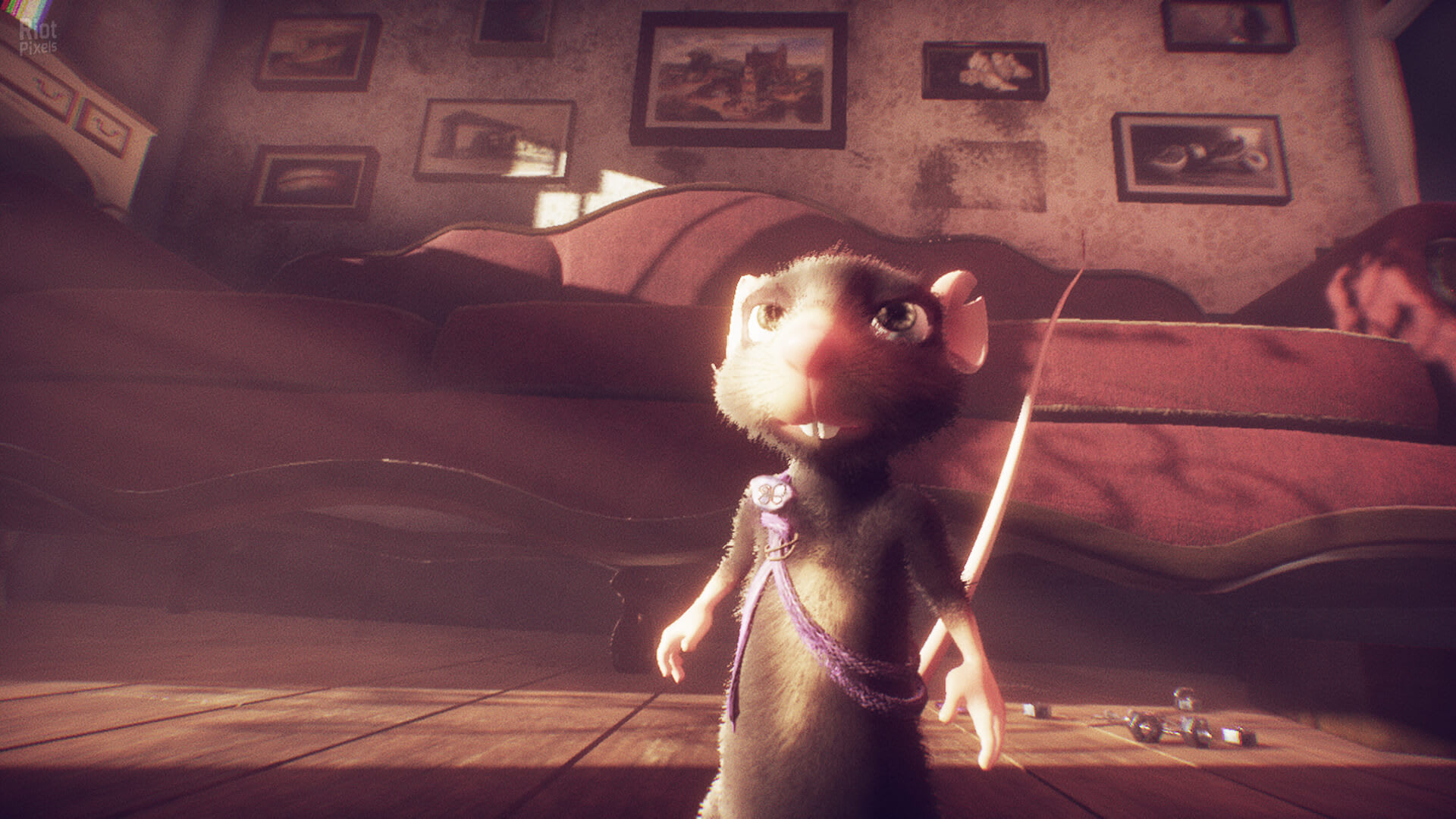
The game transforms everyday household environments into giant dangerous landscapes viewed from the perspective of a tiny rat. That simple idea completely changes how players see ordinary spaces.
A chair suddenly looks like a massive obstacle. Pipes feel like tunnels through an industrial maze. Pets become terrifying predators rather than friendly animals.
That shift in scale gives the game personality almost instantly.
The Perspective Is One of the Best Parts
Many adventure games rely on fantasy worlds or futuristic settings to create excitement. A Rat’s Quest instead uses normal environments but changes the player’s perspective dramatically.
Seeing a regular home through the eyes of a tiny creature makes everything feel more dangerous and unpredictable. Even crossing a room suddenly becomes an adventure.
Games that successfully manipulate scale often become memorable because they make familiar environments feel fresh again. Titles like It Takes Two and Grounded proved how effective that design approach can be.
A Rat’s Quest appears to follow a similar philosophy while creating its own storybook atmosphere.
The Art Style Gives the Game a Lot of Personality
Another reason the game is attracting attention is because of its visual presentation. Instead of aiming for photorealism, the environments and characters feel stylized in a way that resembles animated films or illustrated storybooks.
The lighting, animations, and environmental details create a softer emotional tone compared to darker survival-style indie games.
That style matters because smaller indie projects often succeed through strong artistic direction rather than raw technical power.
The game already looks emotionally expressive even in short gameplay clips, which helps people remember it quickly.
The Story Seems More Emotional Than Expected
One thing surprising many players is how emotional the game appears to be beneath its cute exterior.
From early footage and descriptions, A Rat’s Quest seems focused heavily on relationships, survival, and companionship rather than pure platforming gameplay.
Indie games often become successful when they balance gameplay mechanics with emotional storytelling, especially if characters feel sincere and relatable.
There is already a sense that the game wants players to emotionally care about its tiny protagonist instead of simply treating the adventure as comedic.
That emotional direction could end up becoming one of its biggest strengths.
Indie Players Are Searching for More Personal Experiences
Part of why games like A Rat’s Quest gain attention is because many players are increasingly tired of oversized AAA games filled with repetitive content and endless progression systems.
Smaller narrative-driven adventures often feel more personal and creatively focused. Instead of trying to become gigantic live-service platforms, indie games frequently aim to create memorable emotional experiences in shorter playtimes.
A Rat’s Quest already gives the impression of being handcrafted rather than algorithmically designed around engagement metrics.
That creative sincerity is something indie audiences value heavily.
The Animation Work Looks Surprisingly Detailed
Another aspect people noticed quickly is the animation quality. Small character movements, environmental interactions, and reactions all appear carefully designed to make the rat feel believable and expressive.
Animation quality matters especially for games built around small creatures because movement itself helps sell the illusion of scale and vulnerability.
If the protagonist feels awkward or weightless, the immersion breaks immediately.
Fortunately, A Rat’s Quest appears heavily focused on making traversal and movement feel natural within its world.
The Game Balances Cute and Dangerous Very Well
Interestingly, the game also creates tension by balancing warmth and danger simultaneously.
The environments may look visually charming, but the world itself remains threatening from the protagonist’s perspective. Larger animals, household hazards, traps, and environmental obstacles constantly remind players how fragile the character actually is.
That combination of charm and vulnerability creates emotional investment naturally.
Players often connect more strongly with smaller vulnerable protagonists because survival itself feels meaningful.
Why Indie Games Like This Spread Online Quickly
Games with strong visual identity and emotional atmosphere often spread rapidly across social media because short clips instantly communicate personality.
A Rat’s Quest benefits heavily from that effect. Watching a tiny rat navigate giant environments or escape larger threats immediately creates curiosity even without lengthy explanations.
Modern indie success often depends on instantly recognizable concepts, and this game clearly has one.
The storybook tone also helps separate it from more cynical or mechanically focused indie trends.
There Is Still Curiosity About Gameplay Depth
Despite the strong early reactions, many players are still curious about how deep the actual gameplay systems will become.
Atmosphere and presentation can attract attention initially, but long-term impressions usually depend on pacing, level variety, mechanics, and emotional payoff.
Some indie games look visually beautiful but struggle to maintain engagement throughout the full experience.
A Rat’s Quest now faces the challenge of turning its excellent concept and atmosphere into a consistently memorable adventure.
Final Thoughts
A Rat’s Quest is getting attention because it feels creative in a very genuine way. Instead of relying on massive spectacle or trendy mechanics, the game focuses on perspective, atmosphere, emotional storytelling, and environmental immersion.
The concept itself is simple, but the execution already feels full of personality.
For players who enjoy story-driven indie adventures with charm and emotional tone, the game looks promising precisely because it feels smaller, stranger, and more personal than many modern releases.
Sometimes the most memorable adventures come from seeing ordinary worlds through completely different eyes — and A Rat’s Quest seems built entirely around that idea.