Assassin’s Creed Shadows Was Controversial Almost Immediately
Few Ubisoft games in recent years created as much online debate before release as Assassin’s Creed Shadows. Even before players experienced the actual gameplay, discussions surrounding the game spread across social media, YouTube, forums, and gaming communities worldwide.
Part of the reason is simple: fans had been requesting a Japan-based Assassin’s Creed game for more than a decade. Because of those expectations, players already had very specific ideas about what they wanted the game to be.
The moment Ubisoft revealed Assassin’s Creed Shadows, excitement and controversy exploded at the same time.
The Yasuke Debate Dominated Online Discussions
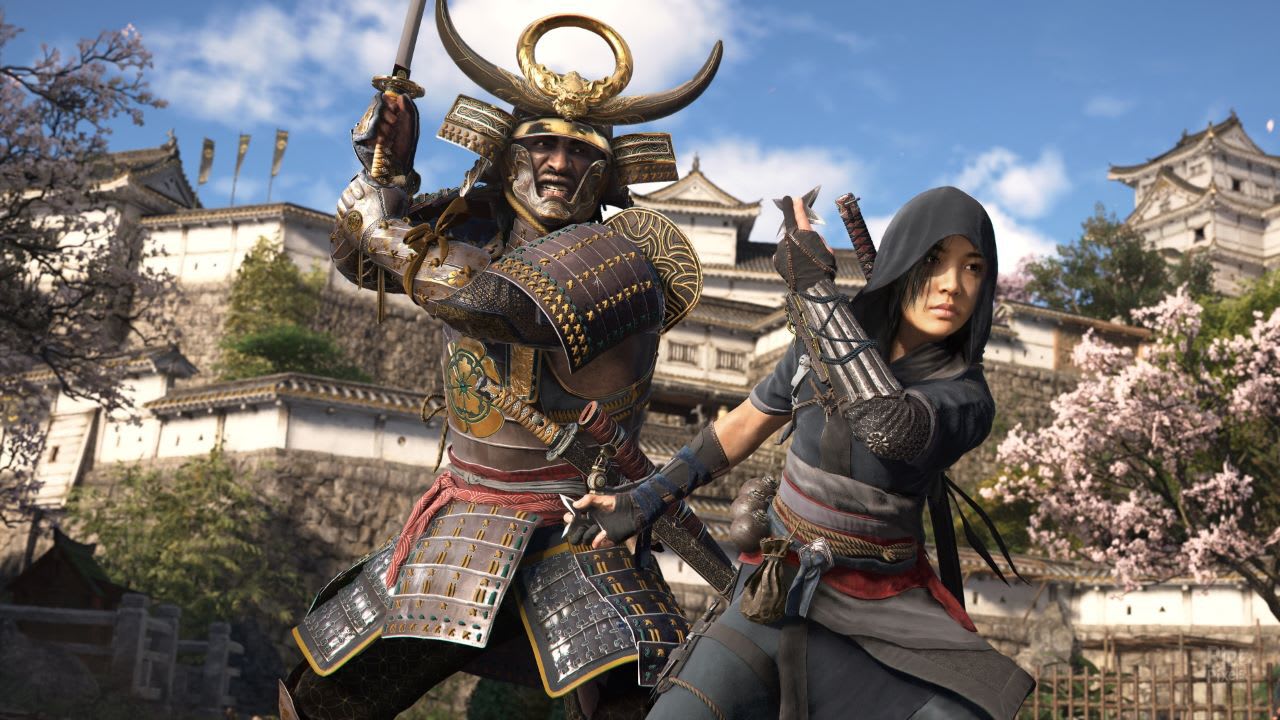
The biggest source of controversy centered around Yasuke, the historical African samurai who appears as one of the game’s main protagonists. While Yasuke was a real historical figure connected to Japanese history, his inclusion immediately created massive debate online.
Some players praised Ubisoft for exploring a less commonly represented historical figure instead of creating another predictable protagonist. Others argued that a Japan-focused Assassin’s Creed game should have featured a native Japanese male samurai as the primary lead character.
What made the debate even more intense is that many discussions quickly moved beyond gaming itself and became arguments about representation, historical interpretation, and modern politics inside entertainment media.
As happens frequently online today, nuanced discussion disappeared quickly, replaced by extreme reactions from multiple sides.
Many Players Were Already Frustrated With Ubisoft
Another important reason the controversy became so large is because many gamers already had frustration toward Ubisoft long before Assassin’s Creed Shadows was announced.
Over the years, Ubisoft has faced criticism for repetitive open-world design, excessive map icons, bloated progression systems, and formulaic gameplay structures. Some players felt the company relied too heavily on giant worlds filled with repetitive activities instead of focused storytelling.
Because of that existing frustration, Assassin’s Creed Shadows became a lightning rod for broader complaints about Ubisoft itself.
Even players who were not particularly upset about Yasuke still questioned whether the game would truly innovate or simply follow Ubisoft’s familiar open-world formula again.
Japan Was Always Going to Create Massive Expectations
The setting itself also increased pressure enormously. Feudal Japan is one of the most requested environments in gaming history. Samurai, shinobi, political conflict, and historical warfare naturally fit the Assassin’s Creed formula extremely well.
However, because fans waited so many years for this setting, expectations became almost impossible to satisfy completely.
Some players wanted a darker stealth-focused experience inspired by older Assassin’s Creed games. Others expected a large-scale RPG similar to Odyssey or Valhalla. Ubisoft now had to satisfy multiple completely different audiences at once.
The Dual-Protagonist Structure Created Mixed Reactions
Assassin’s Creed Shadows also introduced dual protagonists with very different playstyles. Naoe appears focused heavily on stealth and agility, while Yasuke emphasizes direct combat and power.
Interestingly, many longtime fans actually liked this idea because it potentially allows Ubisoft to combine classic stealth gameplay with modern RPG combat systems.
However, some players worried that splitting gameplay styles between two characters could weaken the overall experience or make one protagonist feel less important than the other.
There were also concerns that Ubisoft was trying to satisfy everyone simultaneously instead of committing fully to a stronger singular direction.
Historical Accuracy Became Another Battleground
Historical authenticity debates have always surrounded Assassin’s Creed games, but Shadows intensified those conversations dramatically. Some critics argued Ubisoft was taking too many creative liberties with Japanese history and culture.
Others pointed out that Assassin’s Creed has never been fully historically accurate in the first place. The series constantly mixes real history with fictional conspiracies, hidden organizations, and exaggerated action.
This created another split inside the community. Some players demanded stricter realism because of the cultural importance of the setting, while others viewed the criticism as selective outrage.
The internet amplified every small detail into larger controversies, including architecture, character portrayals, combat scenes, and marketing materials.
The Modern Gaming Industry Amplifies Every Controversy
Part of what makes modern gaming discourse exhausting is how quickly every announcement becomes politicized or tribal online. Assassin’s Creed Shadows became a perfect example of that environment.
YouTube creators, streamers, social media influencers, and gaming commentators all jumped into the discussion because controversy itself generates attention and engagement.
As a result, many conversations stopped being about the actual game and became culture-war arguments instead.
This often happens with major AAA releases now. Games become symbols for broader internet debates long before anyone even plays them.
Some Fans Are Still Optimistic
Despite all the arguments online, many players remain genuinely excited about Assassin’s Creed Shadows. The stealth mechanics shown so far look more advanced than recent entries, and the Japanese environments appear visually detailed and atmospheric.
Features like dynamic weather, shadows affecting stealth gameplay, and more grounded movement systems have also received positive reactions.
For longtime Assassin’s Creed fans, the idea of finally exploring feudal Japan still feels exciting regardless of the surrounding controversy.
There is also hope that Ubisoft learned from criticisms directed at previous RPG-focused entries and will deliver a more focused experience this time.
Ubisoft Needs This Game to Succeed
Another reason the pressure around Assassin’s Creed Shadows feels so intense is because Ubisoft itself has struggled recently. Several projects underperformed, company reputation declined among some players, and confidence in Ubisoft’s direction weakened over time.
That makes Assassin’s Creed Shadows more than just another sequel. The game now carries expectations tied directly to Ubisoft’s future reputation.
If the gameplay delivers strongly, many of the controversies may eventually fade away. Gaming history repeatedly shows that successful releases often overcome online backlash once players experience the actual product.
However, if the game launches with major issues or repetitive design problems, the criticism surrounding it will likely become even louder.
Final Thoughts
Assassin’s Creed Shadows became controversial for multiple reasons at once: historical debates, representation arguments, Ubisoft fatigue, and massive fan expectations surrounding feudal Japan.
In many ways, the game reflects the current state of the gaming industry itself, where online discussion often becomes more intense than the games being discussed.
Beneath all the internet arguments, however, there is still genuine excitement surrounding the project. A Japan-focused Assassin’s Creed game has been requested for years, and many players still hope Shadows can finally deliver the stealth-focused historical adventure they have wanted for a long time.
Whether the game succeeds or fails will ultimately depend less on social media debates and more on one thing that still matters most: how good the actual experience feels once players finally get their hands on it.
FAQ
Why is Assassin’s Creed Shadows controversial?
The controversy mainly comes from discussions surrounding Yasuke’s role, historical representation, Ubisoft’s design philosophy, and fan expectations for a Japan-based Assassin’s Creed game.
Who are the protagonists in Assassin’s Creed Shadows?
The game features Yasuke and Naoe as dual protagonists with different gameplay styles.
Why did players want a Japan-based Assassin’s Creed game?
Feudal Japan naturally fits the series because of stealth gameplay, shinobi themes, samurai culture, and historical conflict.
Is Assassin’s Creed Shadows more stealth-focused?
The game appears to place stronger emphasis on stealth mechanics compared to some recent Assassin’s Creed entries.