Turning Avatar Into a Video Game Was Always Going to Be Difficult
Very few movie franchises place as much pressure on visual presentation as Avatar. Ever since James Cameron’s films became global box-office giants, audiences have associated the franchise with breathtaking environments, advanced visual technology, and massive cinematic scale. That instantly created huge expectations for Avatar: Frontiers of Pandora long before players even saw gameplay.
The challenge was not simply making another licensed game. Ubisoft needed to create a world that actually felt like Pandora — a place filled with massive alien forests, glowing wildlife, floating mountains, and living ecosystems. If the game failed to capture that atmosphere, players would immediately notice.
That pressure made Avatar: Frontiers of Pandora one of the more interesting open-world projects in recent years.
The World of Pandora Was Always the Main Attraction
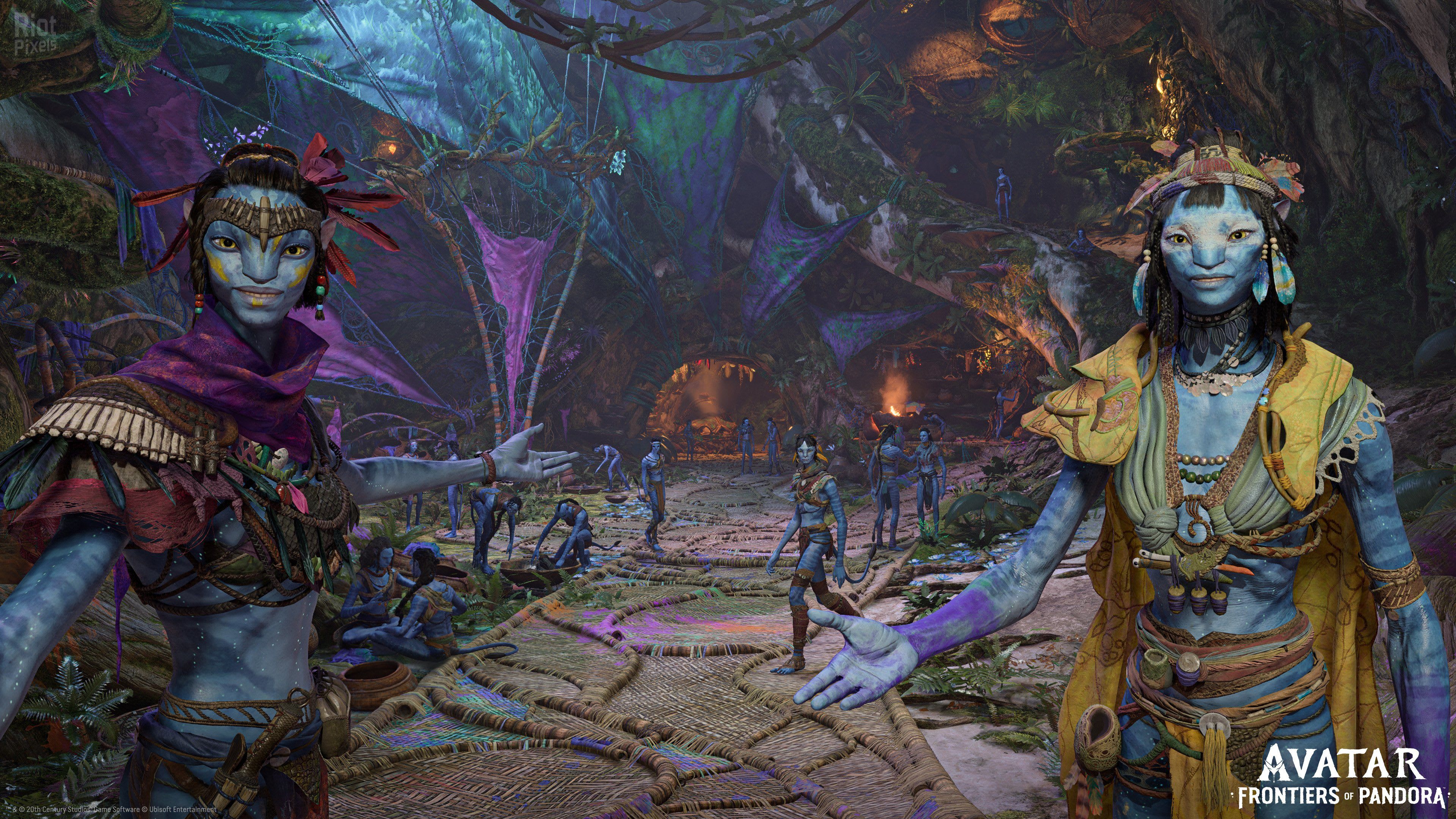
From the beginning, the biggest selling point of the game was clearly the environment itself. Pandora is one of the few fictional worlds that people recognize instantly even outside gaming culture. The glowing plants, giant creatures, and dense jungle landscapes became iconic after the films.
Because of that, many players were less interested in combat mechanics and more curious about simple exploration. People wanted to fly through forests, discover hidden regions, interact with wildlife, and experience the scale of Pandora directly rather than just watching it in a movie.
That creates an unusual challenge for game developers because environmental immersion becomes just as important as gameplay systems.
Ubisoft’s Open-World Formula Created Mixed Reactions
As soon as Ubisoft revealed more gameplay, comparisons to Far Cry started appearing everywhere online. The first-person perspective, outpost-style combat, crafting systems, and exploration structure immediately reminded many players of Ubisoft’s existing open-world design philosophy.
Some fans liked that direction because the formula naturally fits large environments filled with exploration and combat opportunities. Others worried the game would become another checklist-heavy open-world experience instead of something truly unique.
This debate became one of the biggest discussions surrounding the game before release.
Modern players are increasingly divided about Ubisoft-style open worlds. Some enjoy the freedom and amount of content, while others feel exhausted by repetitive side activities, map icons, and familiar gameplay loops.
Avatar: Frontiers of Pandora entered development during a time when open-world fatigue was becoming a real conversation in the gaming community.
The Visual Expectations Were Extremely High
Graphically, the game carried enormous expectations because the Avatar franchise itself is heavily associated with visual innovation. Players expected Pandora to feel technologically impressive rather than simply functional.
Fortunately, the environments shown in trailers and gameplay demonstrations looked genuinely detailed. Dense forests, reactive lighting, weather systems, and large-scale environments helped the game capture at least part of the cinematic atmosphere from the films.
The nighttime visuals especially became one of the most praised aspects online. The glowing bioluminescent plants and colorful landscapes gave the world a distinct visual identity compared to more realistic military-style open-world games.
Even players skeptical about Ubisoft’s gameplay structure admitted the world itself looked visually impressive.
The First-Person Perspective Was a Bold Decision
One of the more interesting design choices was using a first-person perspective for most gameplay. Some fans expected a third-person cinematic adventure similar to other movie-inspired action games.
However, the first-person view likely exists to increase immersion inside Pandora itself. Flying through forests, climbing environments, and exploring alien wildlife feels more personal when players experience it directly through the character’s perspective.
At the same time, some players worried this choice limited emotional connection to the protagonist because third-person storytelling often creates stronger cinematic presentation.
That discussion showed how difficult balancing immersion and storytelling can become in modern open-world games.
The Game Needed More Than Just Visual Beauty
One concern surrounding Avatar: Frontiers of Pandora was whether the experience would have enough gameplay depth beyond environmental exploration. Beautiful graphics alone rarely sustain player interest for long periods.
Players wanted meaningful progression systems, engaging combat, strong world-building, and memorable mission design. Open-world games today face enormous competition, and audiences expect much more than visual spectacle alone.
The game also needed to avoid feeling like a simple movie tie-in project. Licensed games historically carry a negative reputation because many prioritize branding over gameplay quality.
Ubisoft clearly attempted to position the game as a full AAA open-world release rather than a quick adaptation connected only to the films.
Why Pandora Still Fascinates Players
Part of the excitement surrounding the game comes from how unique Pandora still feels compared to most science-fiction settings. Many sci-fi worlds focus heavily on metal environments, futuristic cities, or dystopian technology.
Pandora instead feels organic and alive. Nature itself becomes the defining feature of the world rather than technology. That environmental identity makes exploration naturally appealing even for players who are not massive Avatar fans.
The contrast between industrial human forces and Pandora’s natural ecosystems also creates strong visual and thematic tension throughout the franchise.
The Pressure of Adapting a Massive Franchise
Adapting globally recognized franchises into games is always risky because fans already have strong expectations before playing anything. If developers change too much, fans complain the adaptation feels inaccurate. If they stay too close to existing formulas, players criticize the game for lacking originality.
Avatar: Frontiers of Pandora had to satisfy both gaming audiences and movie fans simultaneously, which is an extremely difficult balance.
At the same time, expectations surrounding modern AAA games continue growing larger every year. Players now expect cinematic visuals, massive worlds, polished gameplay systems, and technical stability all at once.
Final Thoughts
Avatar: Frontiers of Pandora represents more than just another open-world release. The game carried the responsibility of translating one of cinema’s most visually iconic worlds into an interactive experience that players could actually explore themselves.
That alone made the project fascinating even before release.
While discussions around Ubisoft’s open-world design continue dividing players, there is no denying that the world of Pandora remains visually captivating. The game’s strongest moments appear to come from simply existing inside that alien environment and experiencing its scale directly.
For some players, that level of immersion may be enough to make the experience memorable. For others, gameplay depth and structure will ultimately determine how the game is remembered long-term.
Either way, Avatar: Frontiers of Pandora shows how difficult — and ambitious — adapting massive cinematic universes into modern AAA games has become.
FAQ
What is Avatar: Frontiers of Pandora?
It is an open-world action-adventure game set in the Avatar universe, focused on exploration, combat, and survival on Pandora.
Who developed Avatar: Frontiers of Pandora?
The game was developed by Ubisoft Massive.
Why do players compare it to Far Cry?
The first-person combat, exploration systems, and open-world structure reminded many players of Ubisoft’s Far Cry series.
What is the main appeal of the game?
For many players, the biggest attraction is exploring the visually detailed world of Pandora and experiencing its environments directly.