Stellar Blade Immediately Grabbed Attention Online
Very few games manage to dominate online gaming discussions before release, but Stellar Blade achieved exactly that. From its earliest trailers, the game quickly became one of the most talked-about action titles because of its flashy combat, futuristic setting, and highly detailed visual presentation.
At first glance, many players compared Stellar Blade to games like NieR: Automata, Bayonetta, and Sekiro because of its fast combat and stylish movement. However, the game also developed its own identity through its darker science-fiction atmosphere and cinematic boss encounters.
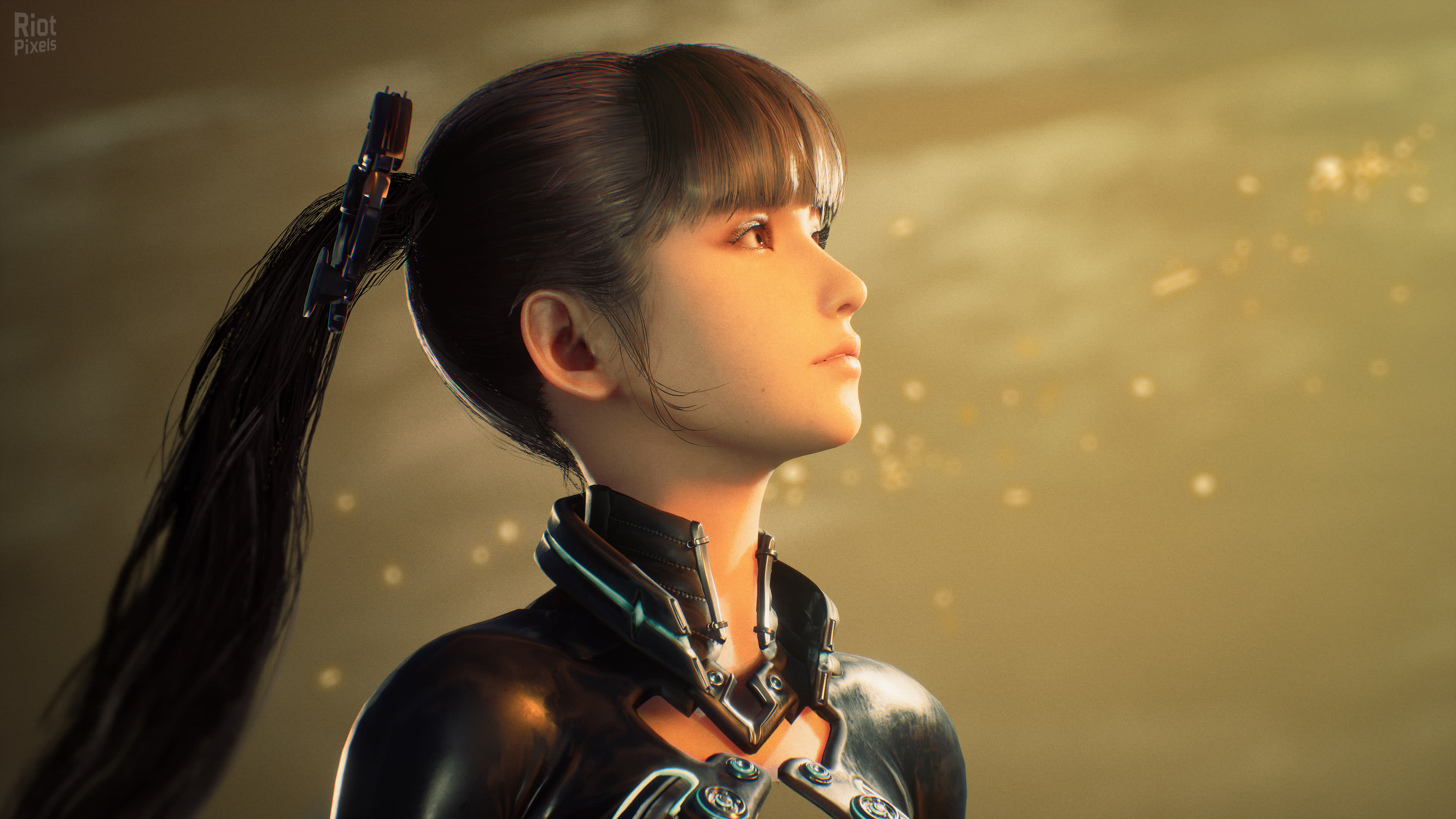
What helped the game stand out even more was how polished everything looked during gameplay showcases. The animations felt fluid, the environments looked detailed, and the combat effects gave battles a sense of speed and intensity that immediately appealed to action-game fans.
The Combat Became the Main Attraction
The biggest reason people became interested in Stellar Blade was the combat system itself. Modern action games live or die based on how responsive and satisfying combat feels, and Stellar Blade appeared heavily focused on timing, dodging, counterattacks, and aggressive movement.
Instead of relying purely on button mashing, the game seems designed around precision and rhythm. Perfect dodges, defensive timing, and combo chains all appear important during encounters. That instantly attracted players who enjoy skill-based combat systems.
The boss fights especially created excitement online. Massive enemies, cinematic attack patterns, and fast movement gave many fights a dramatic feeling similar to high-budget anime battles or stylish hack-and-slash games.
Players also noticed that the game balances speed with visual clarity. In many fast action games, combat can become chaotic and difficult to follow. Stellar Blade appears to maintain readability while still making battles feel intense.
The Visual Design Sparked Huge Online Discussion
Stellar Blade also became controversial in some online spaces because of its character design and presentation style. Discussions about the main character quickly spread across gaming communities, social media, and forums.
Some players praised the game for embracing stylized character designs without trying to follow current industry trends toward realism. Others criticized the marketing focus surrounding the character’s appearance instead of gameplay depth.
Regardless of opinion, the controversy massively increased visibility for the game. In modern gaming culture, online debates often become part of a game’s marketing whether developers intend it or not.
Interestingly, much of the discussion overshadowed the actual gameplay itself, even though many previews suggested the combat system was one of the strongest parts of the experience.
The Influence of Korean Game Development
Another important aspect of Stellar Blade is how it reflects the growing influence of Korean game development in the global console market. Korean studios have historically been more associated with PC and mobile games, but that perception has slowly started changing.
Stellar Blade showed that Korean developers are increasingly capable of creating visually ambitious console action games that can compete internationally. The game’s production quality alone surprised many players who were unfamiliar with the studio behind it.
The cinematic presentation, detailed environments, and smooth animation work helped the project feel like a major AAA release rather than a smaller experimental title.
Why Players Compared It to NieR: Automata
One comparison that appeared constantly online was NieR: Automata. The similarities are easy to understand. Both games feature futuristic worlds, android-like aesthetics, fast melee combat, and emotionally serious science-fiction themes.
However, Stellar Blade appears more combat-focused and mechanically demanding than NieR. The defensive systems, boss encounters, and reaction-based gameplay feel closer to modern character-action titles than pure RPG combat.
That difference may actually help the game attract players who want more challenging action systems without losing cinematic storytelling.
The Soundtrack and Atmosphere Matter Too
While most discussions focused on visuals and combat, the atmosphere also plays a major role in why the game feels memorable. Science-fiction worlds can easily become generic if environments lack personality, but Stellar Blade appears to focus heavily on mood and environmental detail.
Destroyed cities, abandoned technology, ruined landscapes, and atmospheric lighting help the game create a sense of isolation and mystery. The soundtrack shown in trailers also contributes strongly to that feeling, mixing emotional music with intense combat themes.
That combination of style and atmosphere is important because action games become far more memorable when players emotionally connect to the world itself rather than simply enjoying the mechanics.
The Expectations Are Extremely High
Because the game received so much attention before release, expectations naturally became very high. Players are no longer simply hoping for a good action game — many expect Stellar Blade to become one of the standout modern character-action titles.
That level of hype can become dangerous because visually impressive trailers do not always guarantee long-term gameplay depth. Some players remain cautious, waiting to see whether the full experience maintains quality throughout the entire game.
Replay value, enemy variety, pacing, and storytelling will all heavily influence how the game is remembered after launch excitement fades.
Why Stellar Blade Represents a Bigger Industry Shift
The popularity of Stellar Blade also reflects a broader trend in gaming right now. Players are increasingly interested in highly polished single-player action games again after years dominated by live-service trends and multiplayer-focused releases.
Games that combine cinematic presentation with strong gameplay systems continue attracting large audiences because they provide focused experiences without excessive monetization or endless grinding mechanics.
Stellar Blade feels designed around that philosophy. Instead of trying to become a massive online platform, it appears focused on delivering a visually memorable and mechanically satisfying single-player journey.
Final Thoughts
Stellar Blade became one of the gaming industry’s most discussed action titles because it combines several things players love: stylish combat, cinematic visuals, large boss fights, and a dark science-fiction atmosphere.
The game also benefited from online controversy, strong visual identity, and comparisons to beloved action franchises. However, beyond the social media discussions, there appears to be genuine substance behind the project.
If the final experience successfully balances gameplay depth, storytelling, and pacing, Stellar Blade could become far more than a visually impressive release. It has the potential to establish itself as one of the defining modern action games of its generation.
FAQ
What type of game is Stellar Blade?
Stellar Blade is a science-fiction action game focused on fast melee combat, boss battles, and cinematic storytelling.
Why did Stellar Blade become popular online?
The game gained attention because of its stylish combat, detailed visuals, character design discussions, and impressive gameplay trailers.
What games are similar to Stellar Blade?
Players often compare Stellar Blade to NieR: Automata, Bayonetta, Sekiro, and other fast-paced character-action games.
Is Stellar Blade focused on single-player gameplay?
Yes, the game is primarily designed as a cinematic single-player action experience.