Hideo Kojima Still Makes Games Nobody Else Would Even Try
In an industry dominated by sequels, live-service systems, and safe commercial formulas, Hideo Kojima continues to feel completely different from almost every other major game director. That difference is exactly why Death Stranding 2 remains one of the most fascinating upcoming releases in gaming.
Most developers focus heavily on market trends and familiar structures. Kojima, however, has spent decades building games that often feel strange, overly ambitious, philosophical, and deeply personal. Some players love that approach, while others find it confusing or self-indulgent. Either way, his projects rarely feel forgettable.
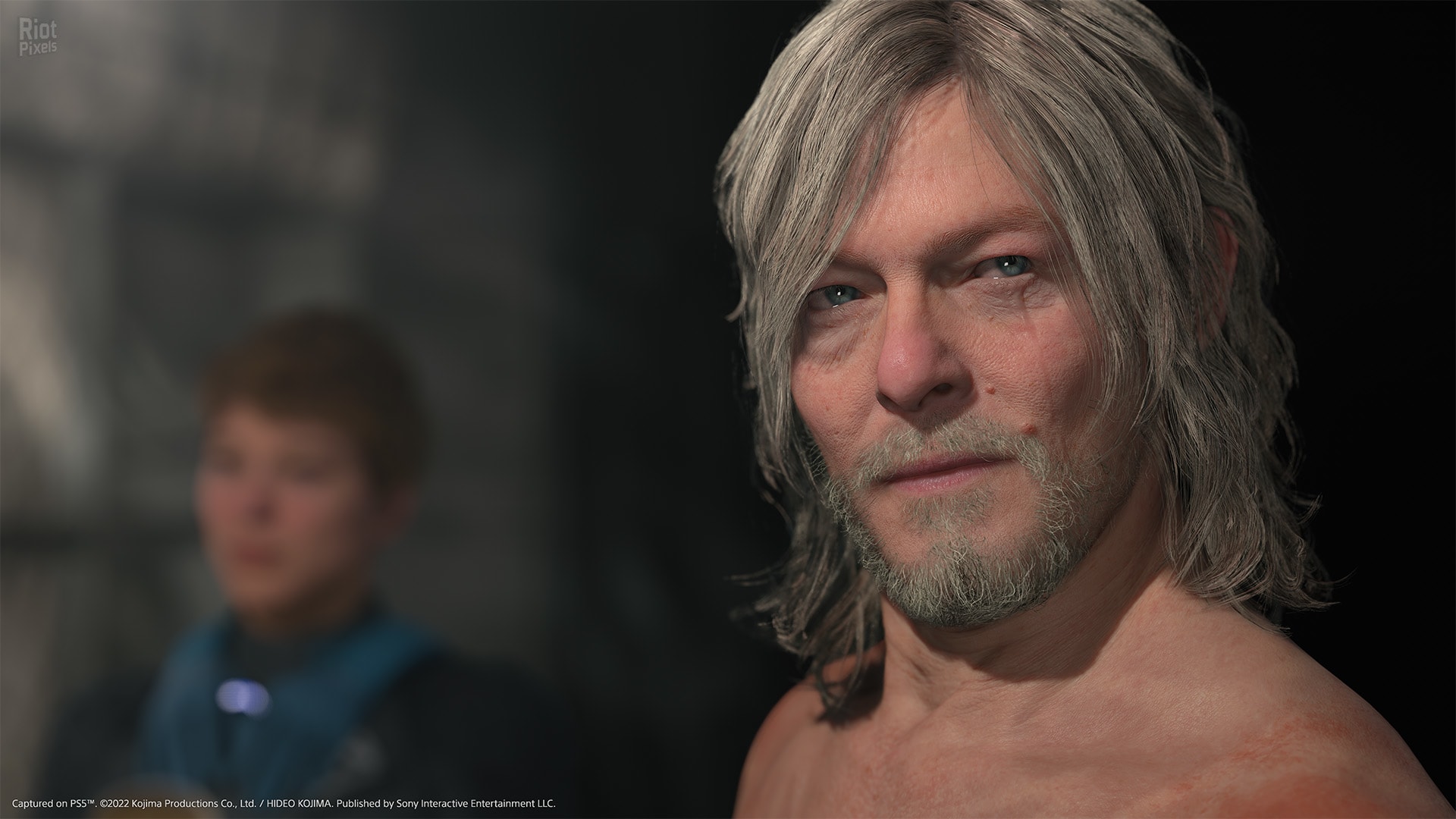
Death Stranding 2 already looks like another example of that creative philosophy. The trailers feel surreal, emotionally heavy, visually cinematic, and intentionally mysterious. Instead of clearly explaining the plot or gameplay systems, Kojima prefers creating curiosity and discussion through symbolism, fragmented storytelling, and unusual imagery.
Kojima Treats Games More Like Cinema Than Traditional Entertainment
One reason Kojima stands out is because he approaches game development differently from most directors. His projects often feel closer to experimental films than standard blockbuster games. Long cinematic sequences, philosophical dialogue, detailed character performances, and layered symbolism are all major parts of his storytelling style.
That approach became especially obvious with the original Death Stranding. Some players expected a traditional action game and were surprised to discover something slower, quieter, and more reflective. The game focused heavily on loneliness, connection, isolation, and rebuilding society after collapse.
Interestingly, the themes of human isolation became even more relevant after the global pandemic, which made many players reevaluate the original game completely. What initially seemed strange or overly abstract suddenly felt emotionally relatable for millions of people.
Death Stranding 2 Looks More Chaotic and Emotional
While the first game focused heavily on isolation and reconnecting society, Death Stranding 2 already appears darker, more emotionally unstable, and more unpredictable. The trailers suggest larger scale environments, stranger enemies, and even more surreal storytelling elements.
Kojima’s trailers themselves have become events in gaming culture because they rarely function like normal marketing material. Instead of simply showing gameplay features, they create theories, debates, and endless analysis online. Fans spend months trying to understand hidden meanings, references, and symbolism hidden inside even short scenes.
Very few game directors create that level of curiosity around their projects anymore.
The Gaming Industry Does Not Really Have Another Kojima
Part of what makes Kojima so important is that modern AAA gaming has become increasingly risk-averse. Publishers often avoid experimental ideas because large budgets create pressure for predictable success. As a result, many major games begin feeling structurally similar.
Kojima somehow still manages to convince large publishers to fund games about themes most studios would never touch. Death Stranding was essentially a game about delivering cargo across empty landscapes while reconnecting isolated communities. On paper, that concept sounds commercially impossible.
Yet the game still became one of the most discussed releases of its generation precisely because it refused to follow normal expectations.
Death Stranding 2 appears ready to continue that experimental direction rather than becoming a safer mainstream sequel.
His Obsession With Detail Is Part of the Appeal
Another reason fans admire Kojima is because of how obsessive his creative process appears to be. Small environmental details, character animations, soundtrack choices, camera angles, and even menu presentation often feel carefully designed.
Kojima also has a strong understanding of atmosphere. His games often create emotional tension through silence, environmental design, music timing, and pacing rather than nonstop action.
That cinematic control helps his worlds feel memorable even when the gameplay itself becomes divisive.
Players may disagree about whether his ideas always work, but they rarely feel generic.
The Celebrity Influence Around Kojima Is Also Unusual
Kojima has also become one of the few game developers whose personal identity is almost as recognizable as the games themselves. Actors, filmmakers, musicians, and celebrities frequently appear in his projects or publicly interact with him.
Death Stranding itself featured actors like Norman Reedus, Léa Seydoux, Mads Mikkelsen, and Guillermo del Toro. That crossover between cinema and gaming has become a major part of Kojima’s identity.
Some players criticize this approach, arguing that Kojima sometimes focuses too heavily on celebrity presentation. Others believe it helps games evolve into more cinematic artistic experiences.
Regardless of opinion, it undeniably makes his projects feel culturally larger than typical game releases.
Why Players Remain Divided About His Games
Kojima’s work has always created strong reactions because his games are intentionally unconventional. Some players see him as one of gaming’s greatest creative minds, while others believe his storytelling becomes overly complicated or self-indulgent.
Death Stranding especially divided audiences. Some players found the gameplay meditative and emotionally powerful. Others saw it as repetitive or unnecessarily slow.
What makes Kojima interesting, though, is that he continues making highly personal projects despite those divisions. He does not appear interested in creating games that appeal equally to everyone.
In many ways, that creative stubbornness is exactly why his audience remains so loyal.
Death Stranding 2 Carries Huge Expectations
The sequel now faces enormous pressure because expectations around Kojima projects have become massive. Fans expect groundbreaking visuals, unusual gameplay ideas, emotional storytelling, and cinematic presentation all at once.
At the same time, many players are curious whether Death Stranding 2 will become more accessible than the first game or move even further into experimental territory.
That uncertainty is honestly part of the excitement. With most AAA games, players already know almost exactly what they are getting before release. Kojima projects still feel unpredictable.
Final Thoughts
Death Stranding 2 matters not only because of the game itself, but because it represents something increasingly rare in modern AAA gaming: a large-budget project driven heavily by one creator’s personal vision.
Whether players love or hate Kojima’s style, his games still feel ambitious in ways many blockbuster releases no longer attempt. He continues experimenting with storytelling structure, gameplay pacing, cinematic presentation, and emotional themes even when those risks divide audiences.
That creative unpredictability is exactly why so many players continue paying attention to everything he makes.
In an industry filled with safe formulas, Hideo Kojima still feels like one of the few developers willing to make something strange simply because he believes it should exist.
FAQ
What is Death Stranding 2 about?
The game continues the world and themes introduced in the original Death Stranding, focusing on connection, survival, and mysterious supernatural events.
Why is Hideo Kojima considered unique?
Kojima is known for blending cinematic storytelling, experimental gameplay ideas, philosophical themes, and unusual narrative structures in his games.
Why was the original Death Stranding divisive?
Some players loved its emotional atmosphere and slower gameplay style, while others found the pacing repetitive or unconventional.
Who is developing Death Stranding 2?
The game is being developed by Kojima Productions under the direction of Hideo Kojima.