I have been using the Xiaomi Pad 8 Pro Matte Glass version as my full-time tablet for two weeks and the honest summary is that it is one of the most complete mid-size tablets you can buy right now. At 11.2 inches it sits in a comfortable size that travels well, handles multitasking seriously, and does not feel like a compromise in any area except one, which I will get to shortly.
The build is a single piece aluminium frame that feels genuinely premium without being dramatic about it. At 494 grams for the matte version it is light enough to carry comfortably but you will feel it after a while if you are holding it above your face in bed. The bezels are thin and symmetrical which helps the overall proportions feel deliberate. The side-mounted fingerprint sensor in the power button is one of my favourite details on any tablet. It is fast, reliable, and works naturally whether the tablet is in landscape mode or docked in the keyboard. I barely needed the face unlock because the fingerprint sensor simply worked every time.
There is no official IP rating for dust and water resistance which is a real gap compared to Samsung's premium tablets. I did spill liquid on it during testing and it survived without issue, but the absence of a certified rating means you are taking that on faith rather than specification.
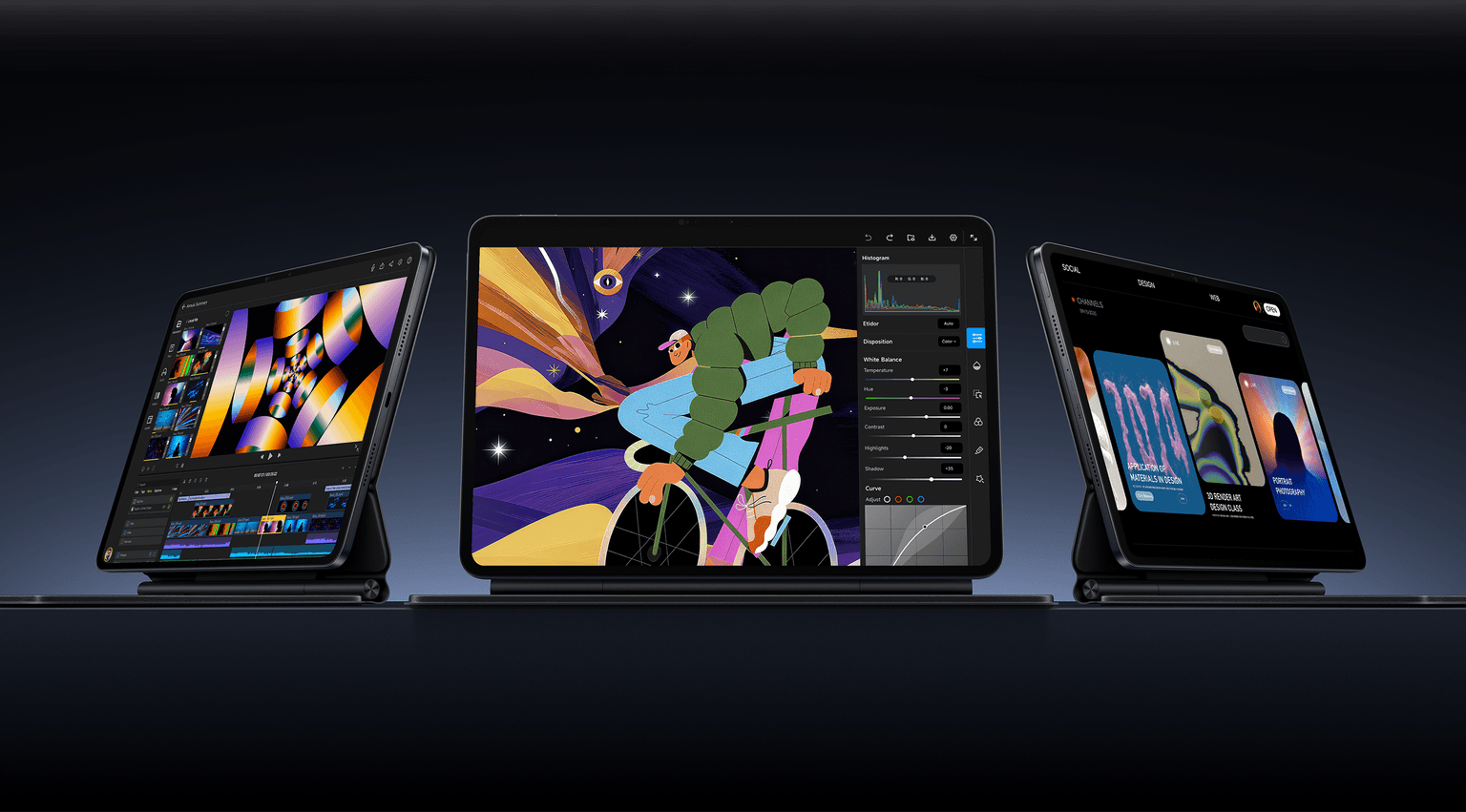
The Focus keyboard accessory connects via pogo pins in the top left corner, held by strong magnets. It snaps on cleanly and doubles as a protective cover when folded. The keyboard itself is comfortable for touch typing with decent key travel for a cover board. The touchpad is genuinely tiny and mostly redundant given you have a large touchscreen directly in front of you, but it is there if you want it. My only real gripe with the keyboard is that the display does not tilt back very far, which becomes noticeable if you are working in a cramped space and want a steeper angle. No backlight on the keyboard either, which is standard for this type of cover board but worth knowing.
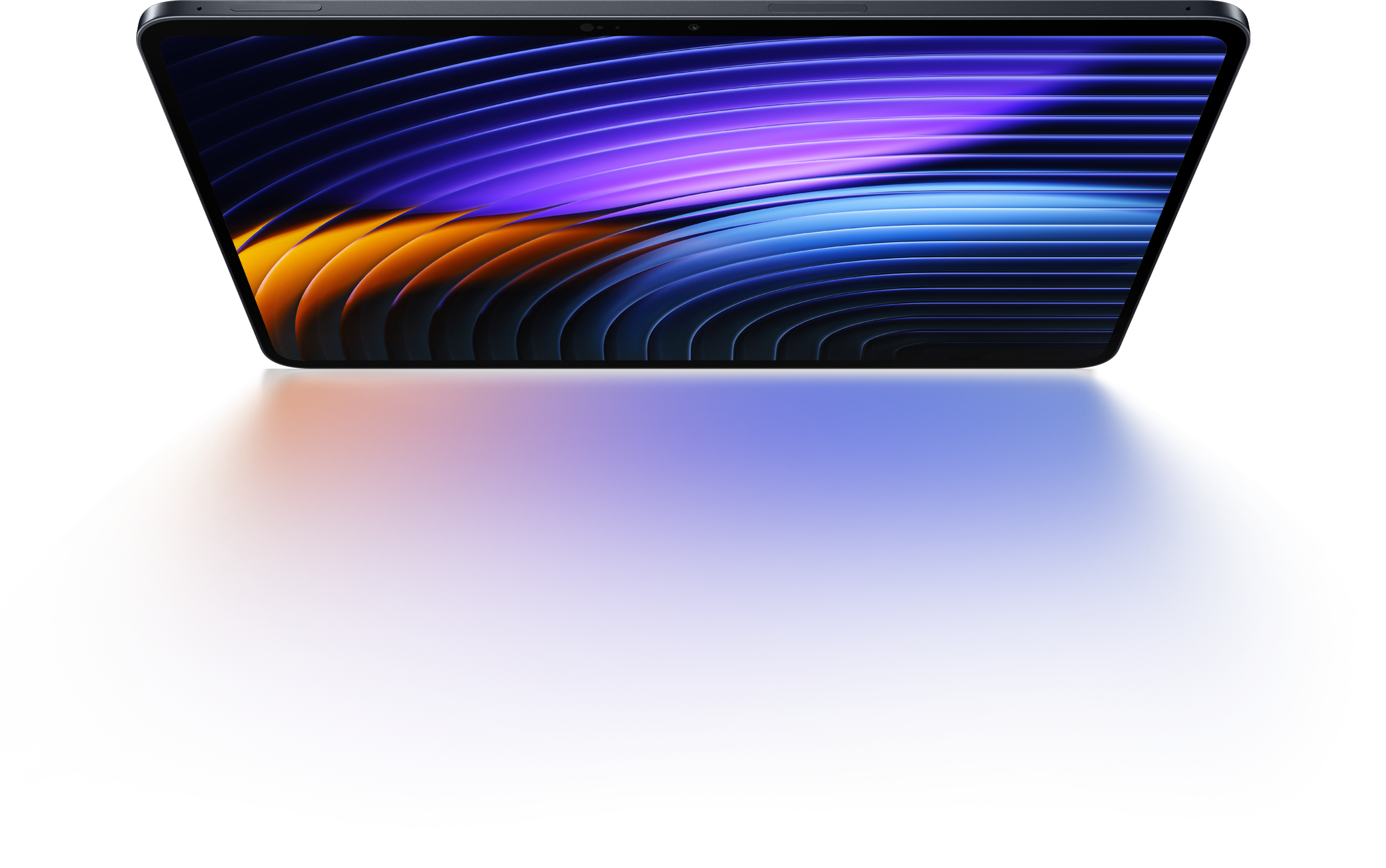
The display is where the matte glass version makes its strongest case and also creates its most frustrating problem simultaneously. The nanotexture glass completely eliminates glare. Under studio lights turned up to full brightness there is effectively zero reflection on this panel. For outdoor use or bright rooms this is genuinely excellent and separates it from standard glossy tablets immediately. The 3200 by 2136 resolution at 345 PPI looks sharp, the 144Hz refresh with a 360Hz touch sampling rate keeps everything fluid, and Dolby Vision plus HDR10 support means streaming content looks properly graded. The 3:2 aspect ratio suits productivity and multitasking well but creates letterboxing on widescreen video content.
The problem with the matte glass is that it attracts fingerprints and grease at an almost impressive rate. Anything with a dark background immediately shows every smudge. Cleaning it is harder than a standard glass surface and the marks come back within minutes of wiping. If you are a clean-hands person this may not bother you. If you are not, it will drive you slightly mad on a daily basis.
Performance runs on the Snapdragon 8 Elite at 4.32GHz with 12GB of LPDDR5T RAM in the configuration I tested. Everyday use is smooth throughout HyperOS 3, which runs on top of Android 16. Gaming at maximum graphics settings in demanding titles held at 60 frames per second with only occasional dips into the mid-50s. The tablet stays cool during extended gaming sessions. The dedicated gaming mode through HyperOS lets you boost performance, clear background memory, and silence notifications cleanly.
Multitasking works well. Split screen with two apps running side by side plus floating windows over the top covers most productivity scenarios comfortably. There is a brief blank flash when swapping apps in split screen which is a minor HyperOS quirk rather than a performance issue. The 512GB UFS 4.1 storage in the top configuration gives you room for everything.
The quad speaker setup with Dolby Atmos support is genuinely good, not for a tablet but as a standalone audio experience. Bass is present and the overall output is beefy enough for media consumption without headphones in most environments. Hi-Res and Hi-Res Wireless audio certification, Bluetooth 5.4 with LDAC and LHDC 5.0 support round out a strong audio package.
The 9200mAh battery drains at around 7 to 8 percent per hour under real mixed use with multiple apps running, music streaming, and the keyboard connected. A full charge comfortably covers the longest days without anxiety. The 67W wired charging means half an hour plugged in gives you enough to continue for hours.
The 50MP rear camera shoots 4K at 60fps and the 32MP front camera handles video calls clearly. Neither is a reason to buy a tablet but both are competent enough for document scanning and occasional calls without embarrassing you.
Specifications
| Feature | Details |
|---|---|
| Display | 11.2 inch LCD, 3200×2136, 345 PPI |
| Aspect Ratio | 3:2 |
| Refresh Rate | Up to 144Hz |
| Touch Sampling | 360Hz finger / 1080Hz instant / 240Hz stylus |
| Brightness | 800 nits peak |
| Chipset | Snapdragon 8 Elite, TSMC 3nm, up to 4.32GHz |
| RAM Options | 8GB LPDDR5X / 12GB or 16GB LPDDR5T |
| Storage Options | 128GB UFS 3.1 / 256GB or 512GB UFS 4.1 |
| Rear Camera | 50MP f/1.8, 1/2.76 inch sensor, PDAF, 4K 60fps |
| Front Camera | 32MP f/2.2, 1/3.6 inch sensor, 1080P 30fps |
| Battery | 9200mAh |
| Charging | 67W wired, 22.5W reverse wired |
| Wi-Fi | Wi-Fi 7, 2.4GHz + 5GHz dual band, MU-MIMO |
| Bluetooth | 5.4, LDAC, LHDC 5.0, LC3, Auracast |
| Speakers | 4 speakers, Dolby Atmos |
| Microphones | 4 microphones |
| Biometrics | Side-mounted fingerprint sensor |
| OS | Xiaomi HyperOS 3 on Android 16 |
| Dimensions | 251.22 × 173.42 × 5.8mm (matte version) |
| Weight | 494g (matte version) |
| Extras | Infrared remote, USB 3.2 Gen1, stylus support, keyboard pogo pins |