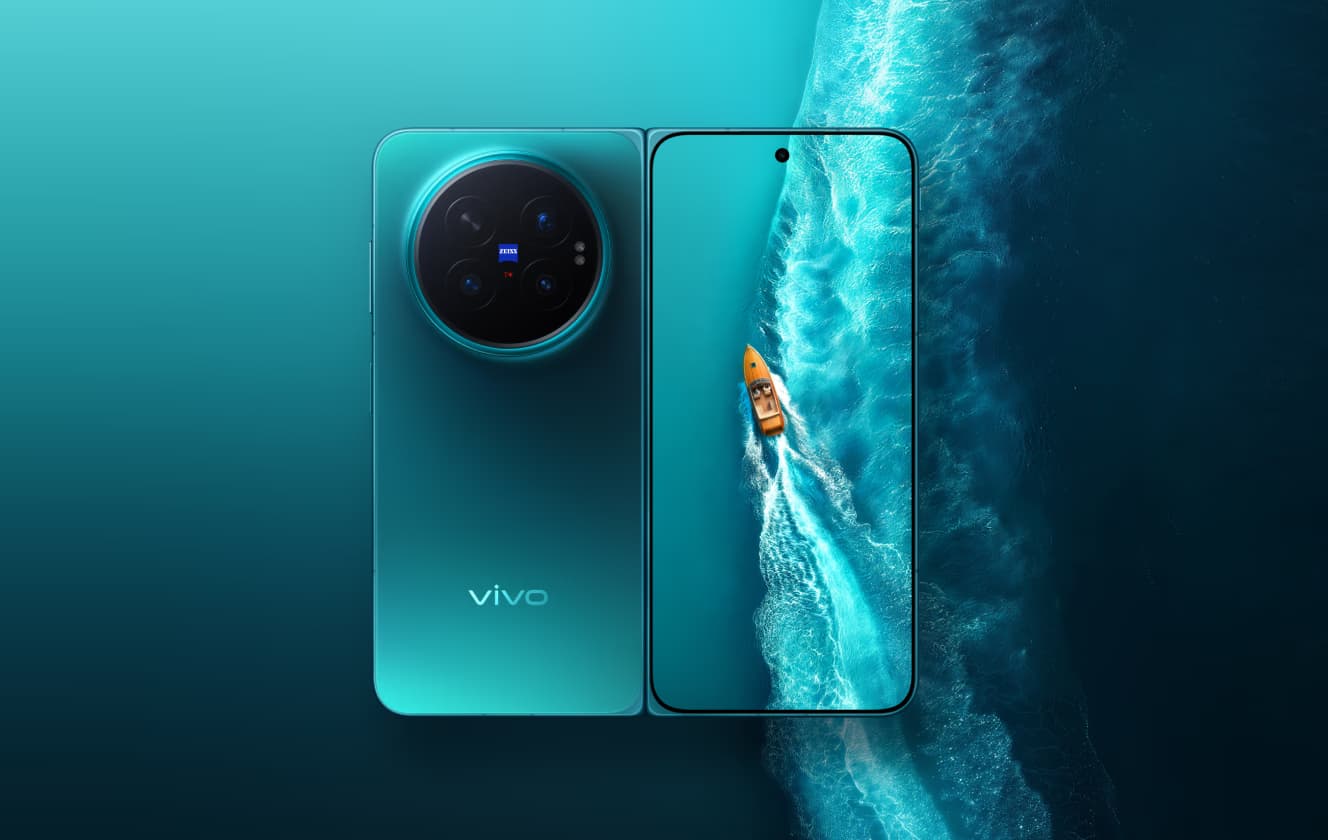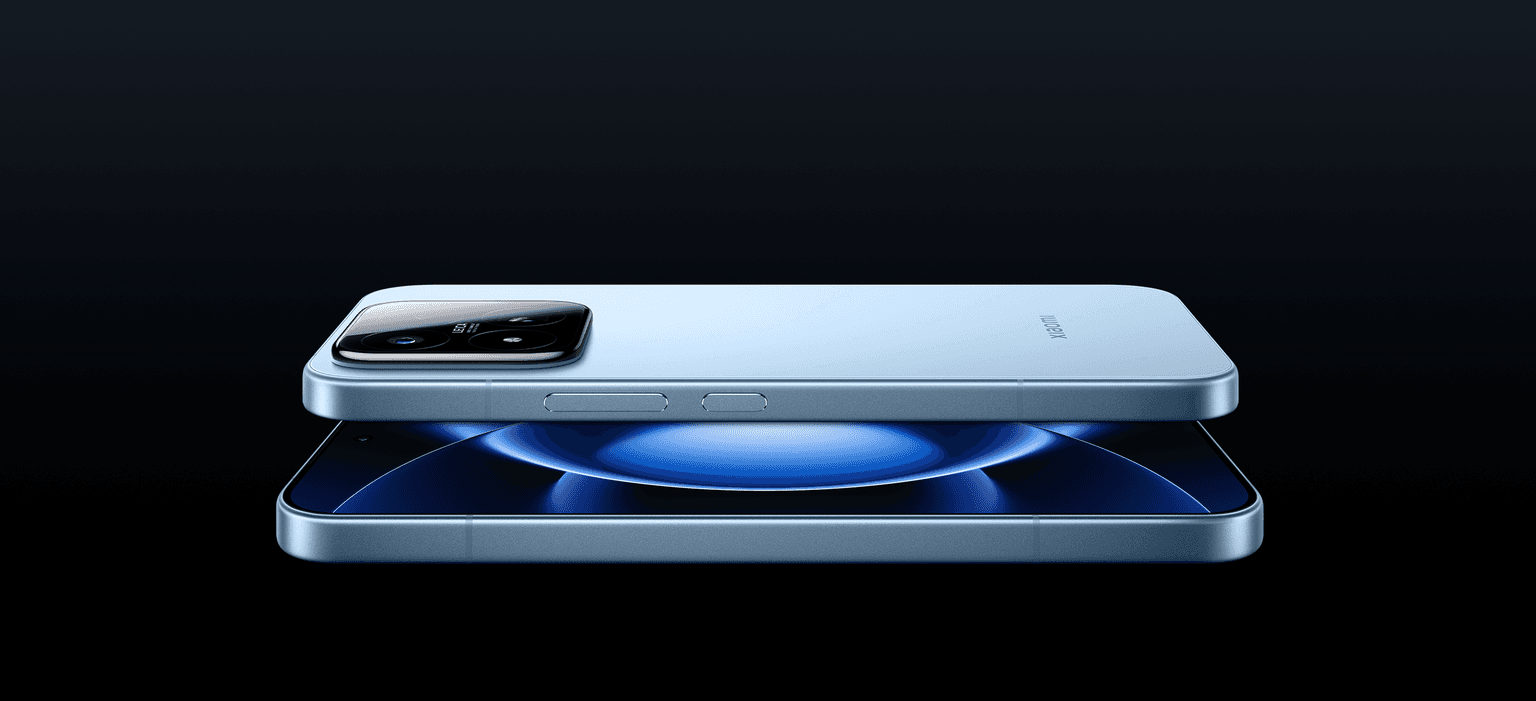
Motorola took its time getting here, but the Razr Fold has arrived as the brand's first large foldable flagship, and it lands in a market that has very little patience for half-measures.
Motorola Razr Fold Full Specifications
| Feature | Details |
|---|---|
| Processor | Snapdragon 8 Gen 5, TSMC 3nm, Octa-core up to 3.8GHz |
| RAM | 12GB / 16GB LPDDR5X |
| Storage | 256GB / 512GB UFS 4.1 |
| OS | Android 16, 7 years OS + security updates |
| Main Display | 8.1-inch LTPO pOLED, 2484x2232 (2K), 120Hz, 6200 nits peak, Dolby Vision, HDR10+, 100% DCI-P3 |
| Cover Display | 6.56-inch LTPO pOLED, 2520x1080, 165Hz, 6000 nits peak, Dolby Vision, HDR10+ |
| Main Camera | 50MP Sony Lytia 828, 1/1.28-inch, f/1.6, OIS |
| Telephoto | 50MP Sony Lytia 600, 1/1.95-inch, f/2.4, 3x periscope, OIS |
| Ultra-wide | 50MP, f/2.0, 122.1° FOV, macro support |
| Internal Selfie | 32MP, f/2.4 |
| External Selfie | 20MP, f/2.4 |
| Video | 8K at 30fps, 4K at 60fps, Dolby Vision recording |
| Battery | 6000mAh |
| Wired Charging | 80W TurboPower (90W adapter in box) |
| Wireless Charging | 50W |
| Reverse Charging | 5W |
| Connectivity | Wi-Fi 7, Bluetooth 6.0, NFC, 5G, eSIM + physical SIM |
| Water Resistance | IP46, IP48, IP49 |
| Open Dimensions | 144.47 x 160.05 x 4.55mm |
| Closed Dimensions | 160.05 x 73.6 x 9.89mm |
| Weight | 243g |
| Audio | Stereo speakers, Dolby Atmos, Bose tuning |
| Security | Side fingerprint, face unlock |
| Stylus Support | Yes, Lenovo Moto AI Stylus (sold separately, 599 yuan) |
| Price (China) | 9999 yuan / 10999 yuan / 14999 yuan |
The camera module on the Razr Fold is large, and Motorola made no effort to hide it. Three 50MP sensors across the board, with Sony Lytia sensors handling both the main and telephoto duties. The main camera's 1/1.28-inch sensor with f/1.6 aperture puts it ahead of several direct foldable rivals on paper, roughly matching the Huawei Mate X7 in sensor area and clearly outpacing the vivo X Fold5, Honor Magic V6, and Pixel 10 Pro Fold.

The periscope telephoto at 3x native magnification is a genuine strength for a foldable, where telephoto quality is typically the first thing manufacturers cut. It beats the 10MP small sensor found on the Samsung Z Fold7 and Pixel 10 Pro Fold at this focal length, though it falls short of the Mate X7's 3.5x reach. ISZ extends the main camera to 2x and the telephoto to 6x with optical-like quality, but standard focal lengths like 1.2x and 1.5x require manual dragging rather than dedicated shortcut buttons, which is a small but recurring annoyance in real shooting.
The final image quality is solid without being class-leading. Where the Razr Fold diverges from the current Chinese market trend is in its tuning. Most domestic flagships have pushed toward rich tones, strong textures, and film-like rendering. Motorola leans toward a more neutral, digital output with heavier sharpening, which can occasionally produce visible artefacts at edges. The colour filter system is preset-only with no intensity adjustment, which limits creative control compared to what competitors offer.

A small but appreciated detail: double-pressing the power button launches the camera directly, a native Android feature most Chinese manufacturers have removed. On a foldable where speed to capture matters, keeping it is the right call.
The system side is where the Razr Fold's identity becomes most complicated. MyUI runs close to stock Android, which is genuinely rare in China's market. It ships with Android 16 and seven years of OS and security updates, which is a commitment most competitors still do not match. The near-native experience means a clean interface, fast updates, and no bloat layer sitting between the user and the system.
But near-native Android was not designed around foldable screen hardware, and that gap shows. Opening the fold and transitioning between cover and main display should feel deliberate and polished. On the Razr Fold, animations are stiff and transitions lack the layering that makes a large-screen foldable feel intentional rather than awkward. Even the Pixel 10 Pro Fold, which also runs close to stock Android, handles these moments with more finesse through bounce animations, scaling masks, and gradient effects. The Razr Fold strips most of that away.
The dock animation is the most noticeable miss. On a device where multi-window use is a core selling point, that lack of polish is hard to overlook at the 14,999 yuan price point.
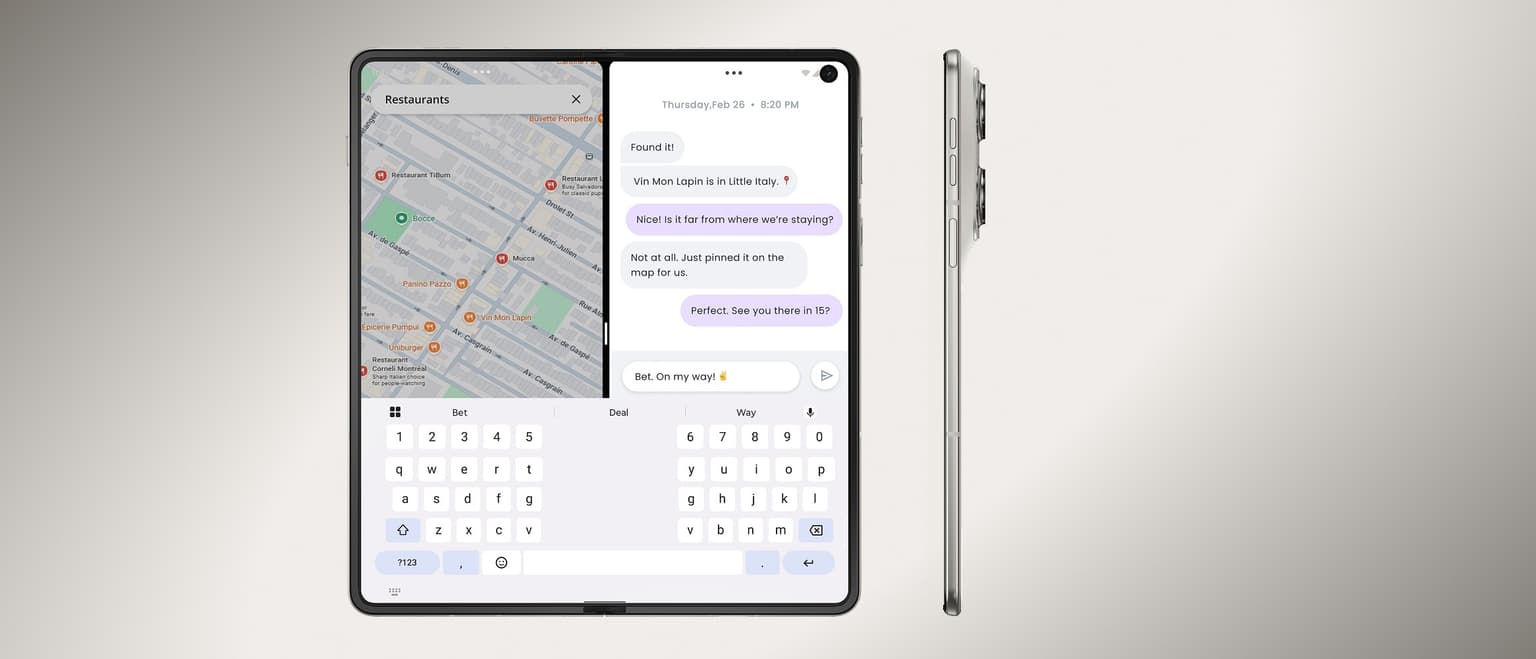
Where Lenovo's ecosystem involvement pays off is in the AI and productivity layer. The Tianxi Claw feature allows remote task execution across Lenovo devices under the same account, and up to six apps can run simultaneously on the main display. The Moto AI Stylus adds Bluetooth shutter, screenshot, note-taking, and drawing support, though paying 599 yuan separately for it on a phone at this price is a friction point. Bose-tuned stereo speakers with Dolby Atmos round out the multimedia experience.
The Razr Fold is priced at 9999 yuan (roughly $1,375 or ₹1,15,000 at exchange rates, expect higher in India after import duties). It is manufactured in India, which matters for local buyers looking at warranty and availability. One year on the handset and six months on accessories.
For buyers who want a near-stock Android foldable with serious camera hardware, Lenovo ecosystem integration, and seven years of updates, the Razr Fold makes a genuine case. Those expecting the same level of foldable-specific software polish as Samsung or Huawei will find the gap real and persistent. The phone looks beautiful and it's a great alternative for all the fold phones by Samsung, Google or other Chinese company.