I have been testing the OPPO Find X9 Ultra for close to a month and I keep coming back to the same thought. This is what peak slab phone looks like in 2026. Not because there will not be something better next year, there always is, but because it has checked every box that smartphone hardware has been chasing for the last decade and done it without obvious compromise in any single area.
The five pillars I always use to judge a flagship are display, battery, performance, build, and camera. The Find X9 Ultra clears all five, but the camera system is where it separates itself from everything else on the market right now and it is worth spending real time on that before anything else.
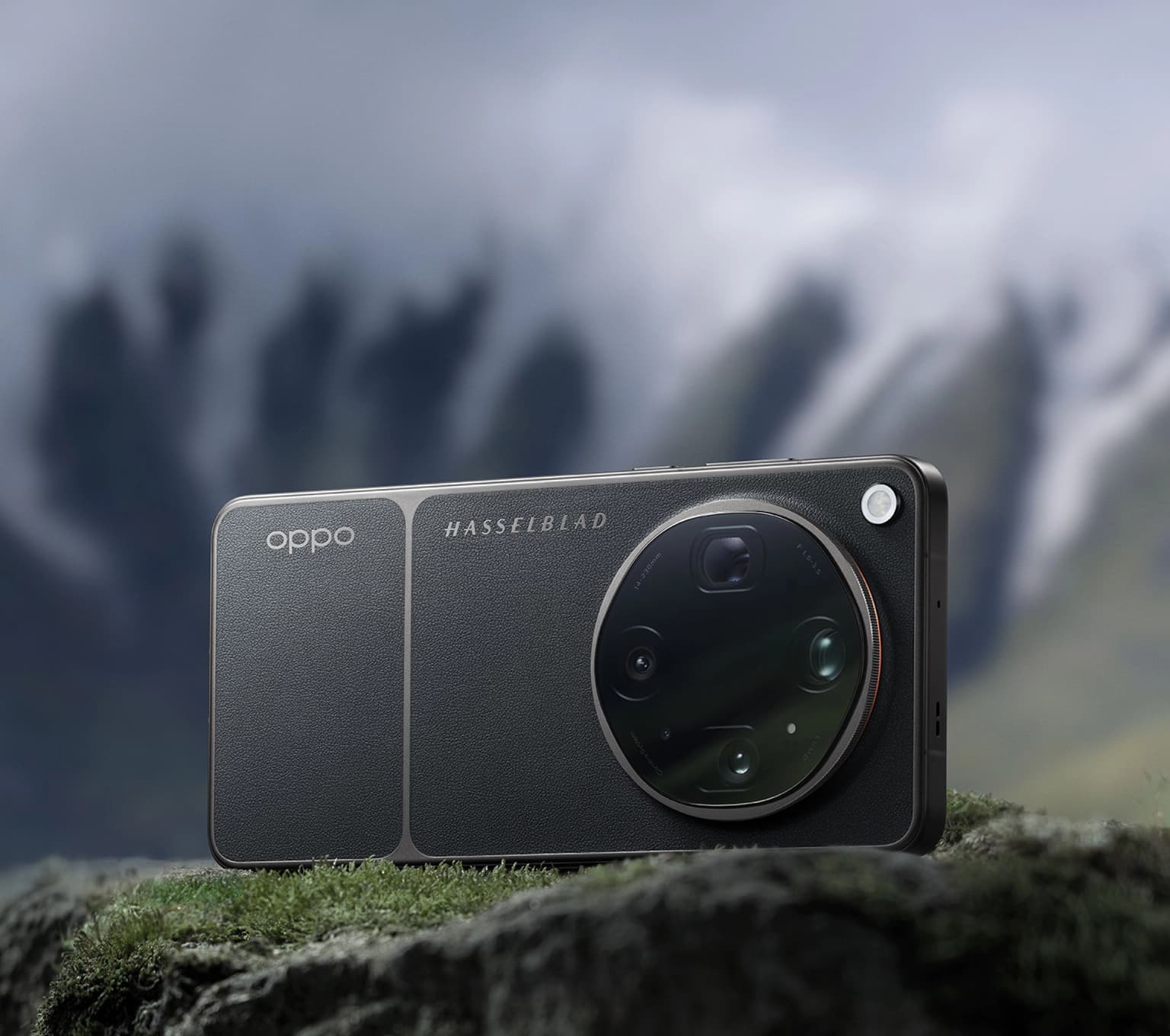
The back of this phone is built around five sensors. The main camera is a 50MP wide angle at f/1.5 with a 123 degree FOV, six-element lens, and AF support. Above that is a 200MP ultra-wide at f/1.5, 84 degree FOV, seven-element lens with 2-axis OIS. The primary telephoto is another 200MP sensor at f/2.2 with a 34 degree FOV, prism OIS, 3x to 3P AF lens, and 2-axis OIS. There is a second telephoto at 50MP, f/3.5, 11 degree FOV with 3G plus HR8SM lens running to ultra-telephoto range. And a 3.2MP monochrome sensor at f/2.4 with a 95 degree FOV acting as a dedicated colour reference camera for accurate white balance. Five sensors, each of them carrying numbers that would have been considered the main camera specification on any flagship from two years ago.
The 200MP telephoto is the one that genuinely surprised me. The biggest telephoto sensor we have ever seen in a phone, larger than many phones use for their primary camera. The versatility across focal lengths is unlike anything I have tested. Any shot you can think of, any lighting condition, any distance, you can frame it and it comes back looking genuinely good. Processing takes two to three seconds to finalise on complex shots, and there are moments where the HDR processing pushes slightly harder than I would like, but those are edge cases. The vast majority of photos simply come out right.
The Hasselblad branding and licensing here deserves an honest conversation. OPPO uses the Hasselblad name, the accent colours, the knurling around the camera ring. The phone is referenced against the Hasselblad X2D Mark II on their website. I own a Hasselblad X2D Mark II. These are not comparable cameras. They are designed to do completely different things. The X2D is a deliberate, professional medium format camera with no computational photography and no video mode. The Find X9 Ultra is a computational photography machine built to never let you take a bad photo. Comparing them misses the point of both. The smartphone will not replace a high-end professional camera at what that camera does. What it does instead is get close enough for everything most people will ever actually need, and it does it without thinking.
That is what the updated watermark for smartphone cameras actually is in 2026. Not matching a professional camera. Taking a really good photo or video anytime, in any conditions, with minimal misses. The Find X9 Ultra is the closest any phone has come to achieving that consistently.
The 7050mAh silicon carbon battery is another standout. I ended normal days at 60 percent battery remaining. For anyone doing heavy work, the 100W SUPERVOOC wired charging and 50W wireless charging with the right accessories means even a demanding day gets recovered quickly. Battery anxiety is simply not part of the experience with this phone.
The Snapdragon 8 Elite Gen 5 with an Adreno 840 GPU at 1200MHz handles everything without friction. ColorOS 16.0 is clean and the animations are smooth throughout. Build quality runs to a 17.32cm display at 94.6 percent screen to body ratio on an AMOLED panel, metal rails, and IP69 rated dust and water resistance. The Canyon Orange faux leather back at 235 grams feels distinctive in hand without being heavy.
At ₹1,69,999 the Find X9 Ultra is not a phone you buy casually. It is a phone you buy because you want the absolute best camera system available on Android right now and you want a battery that does not need management and a display that looks excellent in any light. On all three counts it delivers. The one thing that will not change regardless of how good this gets is that a professional camera will always do what a professional camera does. But for everything else, this is as close to peak slab phone as 2026 has produced.
Specifications
| Feature | Details |
|---|---|
| Chipset | Snapdragon 8 Elite Gen 5, Adreno 840 @ 1200MHz |
| Storage | 12GB + 512GB |
| Display | 17.32cm AMOLED, 94.6% screen-to-body ratio |
| Main Camera | 50MP f/1.5, FOV 123°, 6P lens, AF |
| Ultra Wide | 200MP f/1.5, FOV 84°, 7P lens, 2-axis OIS |
| Telephoto | 200MP f/2.2, FOV 34°, Prism OIS, 3x, 2-axis OIS |
| Ultra Telephoto | 50MP f/3.5, FOV 11°, 3G+HR8SM lens |
| Mono Camera | 3.2MP f/2.4, FOV 95° |
| Front Camera | 50MP f/2.4, FOV 90°, 5P lens, AF |
| Rear Video | Up to 8K 30fps, 4K 120fps Dolby Vision, 10x optical zoom, 30x digital zoom |
| Front Video | Up to 4K 60fps, 2x digital zoom |
| Battery | 7050mAh / 26.23Wh |
| Charging | 100W SUPERVOOC wired, 50W wireless, 5W reverse wireless |
| OS | ColorOS 16.0 |
| Size | 17.32cm, ~0.87cm thick (Canyon Orange) |
| Weight | ~235g (Canyon Orange) |
| India Price | ₹1,69,999 |