There is a specific frustration that small-screen phone users have been living with for years. Every time a manufacturer releases something genuinely capable, the compromise is already baked in before you open the box. The battery is smaller to keep the dimensions down. The camera module loses the telephoto to save space. The processor is a step below the flagship tier because the cooling system cannot handle the heat in a compact chassis. You end up choosing between a phone that fits comfortably in your hand and a phone that does what you actually need it to do.
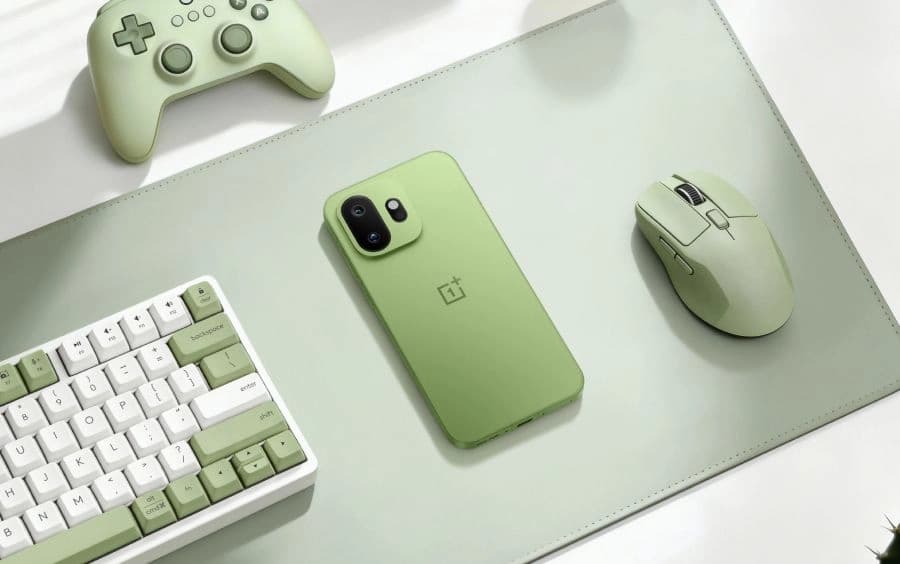
The OnePlus 15T at 6.32 inches does not ask you to make that choice.
The screen is the first thing that reframes what a small phone can be in 2026. A 165Hz OLED flat panel with ultra-narrow bezels and high-frequency eye care dimming at a size that lets most hands reach the entire display without repositioning. It supports full brightness outdoors and stays comfortable in low light without manual adjustment. IP68 dust and water resistance is included, which matters more on a phone you are handling constantly with one hand than on a large device you set down more often.
The weight is controlled well despite what is inside. OnePlus used optimised internal stacking to fit a 7500mAh battery into this chassis without the phone feeling like it is compensating for the mass. Rounded corners and a matte metal frame with a smooth back panel make extended one-handed use comfortable rather than something you consciously endure.
The camera setup is where the 15T genuinely surprises. Small phones have historically shipped with telephoto lenses that function more as marketing checkboxes than real optical tools. The 15T carries a periscope telephoto at 3.5x optical zoom with OIS on both lenses, which is a rare combination at this size. The main camera uses a large sensor for generous light intake, producing natural colour in daylight and clean low-light results without the over-processed look that aggressive noise reduction usually creates. The telephoto at 3.5x delivers real spatial compression for portraits and distant subjects, not a digital crop pretending to be optical zoom.
Performance comes from the Snapdragon 8 Ultra fifth generation paired with 16GB of RAM. Everyday applications open instantly and games like Genshin Impact at high settings run without thermal throttling during extended sessions. The cooling system inside a 6.32-inch body has less physical space to work with than a standard flagship, and OnePlus has clearly prioritised keeping that under control rather than chasing peak benchmark numbers that collapse after ten minutes.
The battery is the specification that makes this phone unusual rather than just good. 7500mAh in a compact form factor is not a reasonable expectation in 2026 and yet here it is. Paired with 100W wired fast charging and 50W wireless charging, the 15T charges at flagship speed and lasts longer than phones with larger bodies. Heavy users who currently carry a power bank as a daily habit will find that habit becomes optional within a week of using this phone.
ColorOS 16 handles the software side with a clean interface and practical additions including AI Quick Notes and Lock Screen Island. The system update commitment covers long-term maintenance, which matters for a phone in this price bracket.
Starting at 3799 yuan in China, the mainstream 16GB plus 512GB configuration sits around 4299 yuan. That price against this specification list, a flagship chip, periscope telephoto with OIS, 7500mAh battery, and 165Hz OLED flat display, makes the 15T one of the most straightforward value arguments in the current market.
There is no confirmed India launch date for the OnePlus 15T at the time of writing. OnePlus has a strong India presence and regularly brings its T series to the market, typically within a few months of the China release. The OnePlus 13T and previous T variants have made it to India without significant delay. If that pattern holds, an India announcement before the end of 2026 is realistic. Expected pricing in India would likely place the base variant somewhere around the ₹75,000 to ₹80,000 range, which would make it one of the most capable small-screen phones available at that price point in the Indian market where large-screen devices dominate and genuine compact flagships are almost nonexistent.