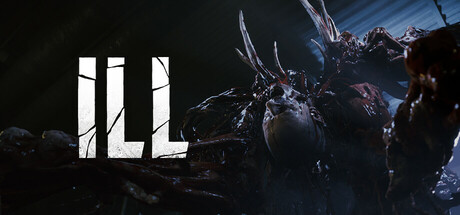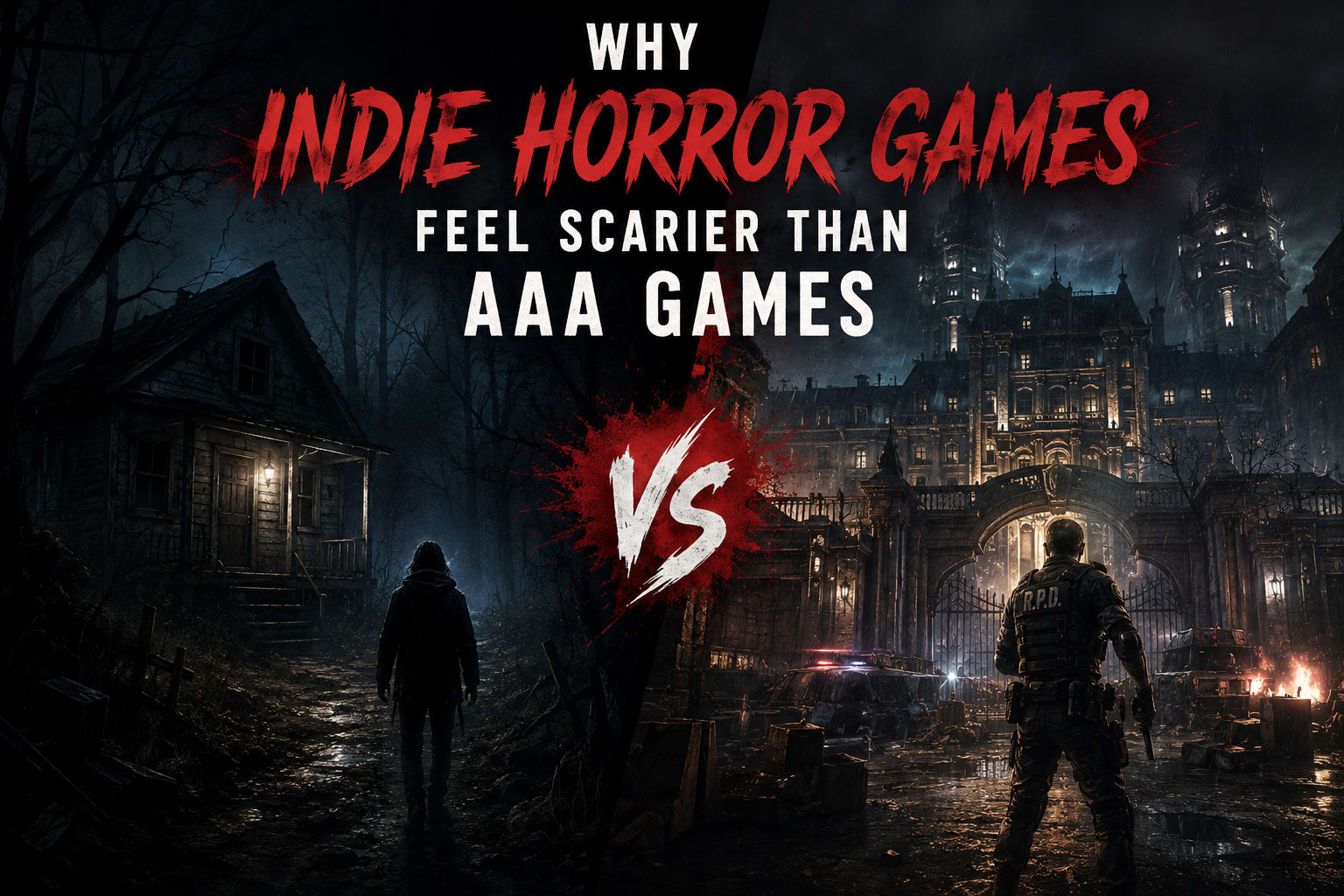
The horror genre has changed dramatically over the last decade. While massive AAA studios continue to produce visually stunning horror experiences, many players still find themselves more terrified by small indie titles made by tiny teams — sometimes even by a single developer.
Games like Amnesia: The Dark Descent, Outlast, Phasmophobia, and Five Nights at Freddy's often create stronger fear than many blockbuster productions with massive budgets. The reason is not simply graphics or realism. The real answer lies in psychology, unpredictability, atmosphere, and design philosophy.
Large AAA studios usually develop games for a broader audience, which often means balancing horror with action, cinematic storytelling, accessibility, and large-scale production values. Many modern horror games eventually become action-heavy experiences where the player gains powerful weapons and confidence. Once players begin feeling powerful, fear starts to fade.
Indie horror games take a very different approach. Instead of empowering the player, they often focus on making the player feel weak, isolated, and uncertain. Indie developers are more willing to create uncomfortable experiences filled with silence, strange visuals, disturbing audio, and unpredictable pacing. Players frequently do not fully understand what is happening, and that uncertainty keeps the brain constantly alert.
One of the most interesting aspects of indie horror is that imperfection can actually improve the experience. Slightly awkward animations, unusual lighting, low-resolution textures, or rigid movement sometimes create an uncanny feeling that makes environments feel unnatural. AAA games are usually highly polished and visually readable, but that polish can reduce mystery because everything feels carefully controlled.
Sound design also plays a massive role in horror. Some of the scariest moments in gaming happen in darkness or silence rather than during loud action sequences. Indie horror games often rely heavily on distant footsteps, environmental ambience, static noise, distorted voices, and sudden silence. The human brain naturally fears sounds it cannot identify, which is why simple audio design can sometimes feel more terrifying than advanced graphics.
Another important reason indie horror works so well is player vulnerability. Many indie horror games remove the player’s ability to fight back effectively. Instead of focusing on combat, they force players to hide, run, manage resources, and survive using caution. Games like Outlast became terrifying partly because the player could not directly defeat enemies. Fear increases dramatically when survival feels uncertain.
Indie developers are also more willing to experiment with unusual ideas. Because they do not always face the same financial pressure as AAA studios, they can take creative risks with psychological horror, fourth-wall breaks, fake crashes, procedural scares, or unconventional storytelling techniques. These unexpected mechanics make players feel unsafe even during moments that would normally feel comfortable in other games.
Shorter game length is another hidden advantage of indie horror. Fear is difficult to maintain for dozens of hours because players eventually adapt to danger. Many indie horror games last only a few hours, which helps preserve tension and emotional intensity from beginning to end without exhausting the player.
The rise of streaming platforms also helped indie horror become incredibly popular. Horror games with unpredictable scares and strong reactions perform extremely well on platforms like YouTube and Twitch. Content creators helped many indie horror titles gain global attention even without huge marketing budgets.
At its core, indie horror succeeds because it focuses directly on fear instead of spectacle. These games understand that true horror comes from uncertainty, vulnerability, atmosphere, and psychological discomfort rather than simply realistic graphics or cinematic action. While AAA horror games may look bigger and more expensive, indie horror games often feel far more personal and unpredictable — and unpredictability is one of the strongest tools horror can use.