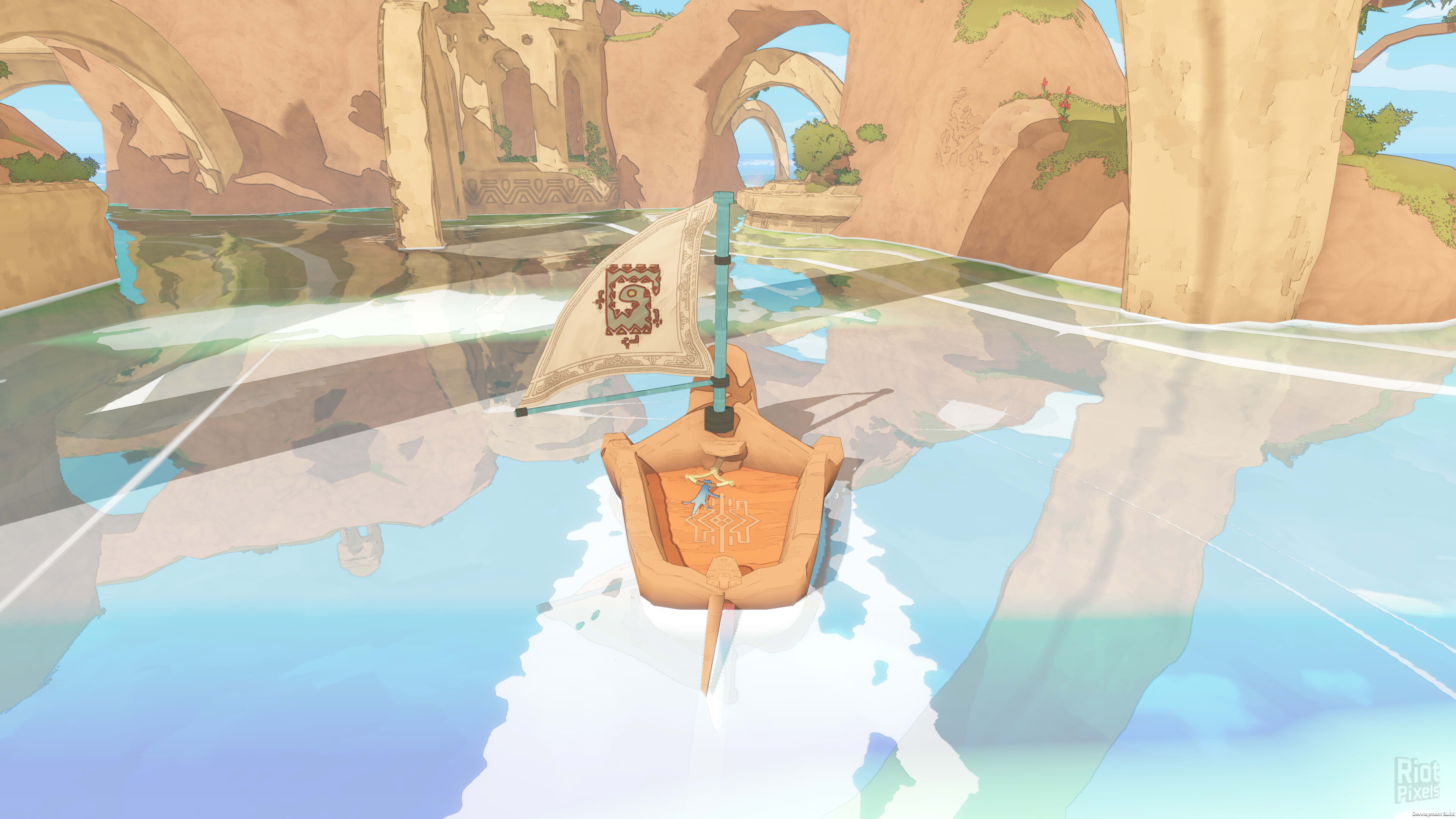
Indie multiplayer games have become increasingly popular over the last few years. While large studios continue releasing massive online titles, many players are now searching for smaller games that feel fresh, fast, and enjoyable without requiring hundreds of hours to understand. One game that has recently started gaining attention in this space is Gekko Gods, developed by InResin.
At first glance, Gekko Gods immediately stands out because of its visual style. The game avoids dark and overly realistic designs that are common in many modern multiplayer titles. Instead, it uses colorful environments, animated characters, and a more playful atmosphere. This creates a casual feeling while still keeping the competitive side of multiplayer gameplay alive.
The core gameplay revolves around arena-based battles where players compete in quick matches. Rather than focusing on complex systems or difficult mechanics, the game emphasizes movement, timing, and fast reactions. This makes the experience more accessible for new players while still giving experienced players room to improve their skills.
One of the strongest parts of Gekko Gods is how quickly players can jump into the action. Many online games today spend too much time on menus, upgrades, and long tutorials before players actually start having fun. Gekko Gods keeps things simple. Players can enter matches quickly and immediately understand the basic gameplay loop.
The character designs also help the game build its own identity. The gecko-inspired characters feel unique and memorable compared to generic soldier or fantasy-style designs seen in many multiplayer games. Every character has a personality that fits the game’s light and energetic atmosphere.
InResin appears to focus heavily on making gameplay smooth and responsive. In fast multiplayer games, even small delays or clunky controls can ruin the experience. Gekko Gods feels designed around fluid movement and quick combat interactions, which helps keep matches exciting from beginning to end.
Another reason smaller multiplayer games like Gekko Gods are becoming more important is because players are starting to feel exhausted by overly competitive AAA games. Large online games often include aggressive ranking systems, expensive cosmetic stores, and stressful progression systems. Indie games sometimes succeed because they feel more relaxed and community-driven.
Gekko Gods gives the impression of a game that players can enjoy casually with friends while still having enough competition to remain interesting. This balance is difficult to achieve in multiplayer game design, especially for smaller studios.
The rise of indie multiplayer games has also been supported by content creators and streaming platforms. Games that are easy to understand visually and create entertaining moments often perform well online. Gekko Gods has the type of gameplay that can produce quick action clips, funny situations, and chaotic arena moments that viewers enjoy watching.
Visual presentation plays a major role in keeping players interested, and Gekko Gods uses bright effects and animated environments to maintain energy during matches. Even though the gameplay is fast-paced, the art direction helps prevent the experience from feeling repetitive too quickly.
Another positive aspect of the game is its approachable design philosophy. Some competitive games become difficult for beginners because experienced players dominate too quickly. Gekko Gods feels designed in a way where newer players can still enjoy matches while gradually improving over time.
For indie developers, building a loyal player base is often more important than reaching massive numbers immediately. Games that maintain active communities usually survive much longer than games that only depend on short-term hype. Gekko Gods seems positioned as the kind of multiplayer title that can slowly build a dedicated audience through consistent gameplay and community interaction.
InResin’s work on the game also highlights how smaller studios can still compete creatively in the modern gaming industry. Large budgets are no longer the only factor that determines whether a multiplayer game becomes enjoyable. Strong art direction, responsive gameplay, and a clear identity can often leave a stronger impression on players than visual realism alone.
As indie multiplayer games continue growing in popularity, titles like Gekko Gods show that there is still plenty of space for creative online experiences. Players are constantly searching for games that feel fun without becoming overly complicated, and Gekko Gods appears to move in exactly that direction.
While the multiplayer gaming market remains highly competitive, smaller projects with personality and polished gameplay often manage to stand out over time. Gekko Gods combines colorful presentation, fast arena combat, and accessible gameplay into a package that feels entertaining from the moment players enter their first match.