Persona and Fighting Games Sounded Like a Strange Combination
When Persona 4 Arena originally appeared, many fans honestly did not know what to expect. Persona was already famous for social storytelling, dungeon exploration, turn-based combat, and emotional character writing — not fast-paced competitive fighting gameplay.
Turning that universe into a 2D anime fighter sounded risky at first.
Yet somehow Persona 4 Arena Ultimax became one of the most respected anime fighting games of its era because it understood something important: Persona fans cared just as much about style, music, and character personality as they did about gameplay.
Instead of feeling like a cheap spin-off, the game genuinely felt connected to the identity of the Persona franchise.
Arc System Works Was the Perfect Studio for It
A huge reason the game worked so well is because Arc System Works developed it. The studio already had a strong reputation for stylish anime fighting games with smooth animation and mechanically deep combat systems.
That experience allowed Persona 4 Arena Ultimax to balance accessibility and competitive depth surprisingly well.
The game looks visually flashy immediately, but underneath the presentation there is a serious fighting system involving pressure, spacing, mix-ups, assists, and advanced combos.
At the same time, newer players could still enjoy the game because of the cinematic attacks, recognizable characters, and energetic presentation.
The Persona System Changed the Gameplay Completely
One mechanic that made Persona 4 Arena Ultimax feel unique was how Personas themselves functioned during combat.
Instead of simply fighting directly, characters summon their Personas as extensions of attacks and abilities. This creates layered offense and defense situations that feel very different from traditional fighting games.
Players must manage positioning not only for their main character but also for their Persona, which adds another strategic layer to every fight.
Breaking an opponent’s Persona also temporarily removes access to important abilities, creating momentum shifts that can completely change matches.
This mechanic helped the game feel tied directly to the Persona universe rather than simply using Persona characters inside a generic fighter.
The Presentation Still Feels Stylish Today
Even years later, Persona 4 Arena Ultimax still looks incredibly stylish because of its strong visual identity.
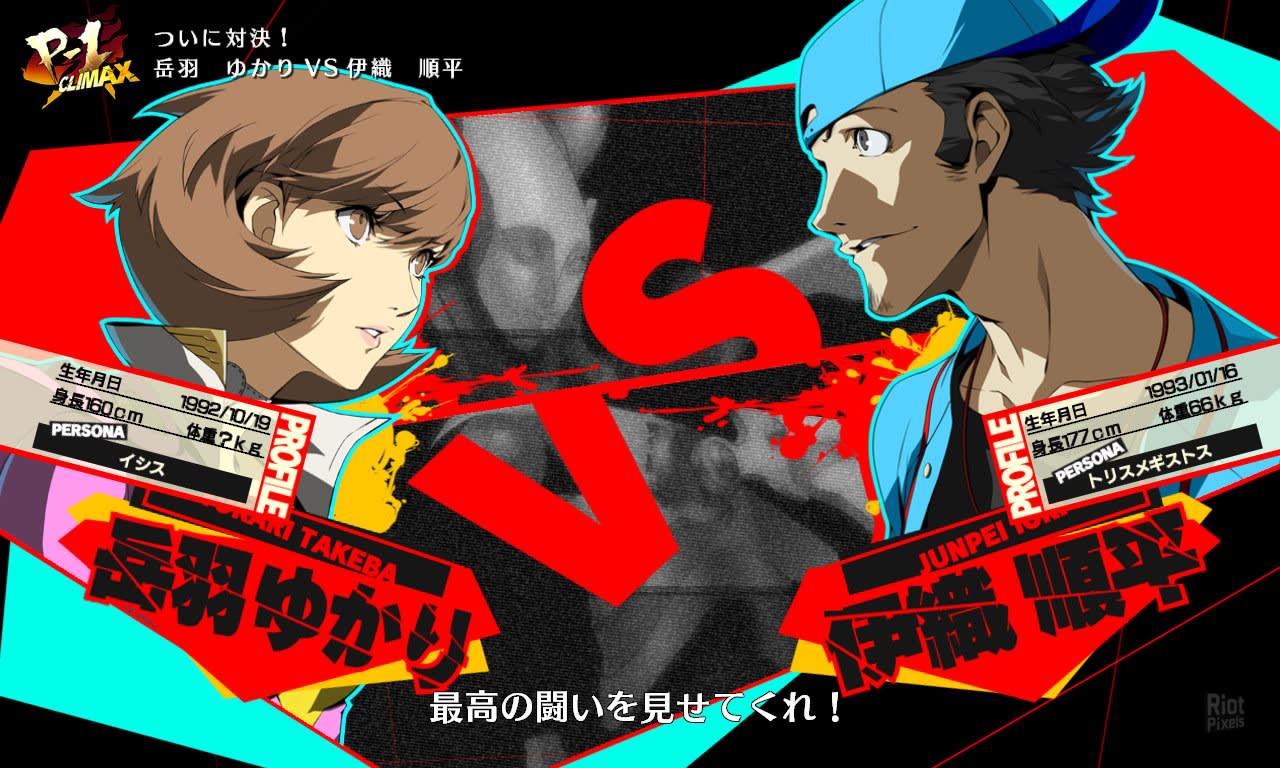
The menus, character intros, attack animations, UI design, and soundtrack all feel unmistakably Persona. Bright colors, sharp transitions, energetic music, and anime-inspired effects give the game personality even outside actual matches.
Many anime fighting games struggle to maintain visual clarity during chaotic battles, but Ultimax generally keeps combat readable while still looking flashy.
The soundtrack especially became one of the game’s strongest aspects. Persona music already had a huge fanbase, and the fighting-game remixes added even more energy during matches.
The Story Mode Was Surprisingly Important
One thing that separates Persona 4 Arena Ultimax from many competitive fighting games is how much attention it gives narrative storytelling.
Most fighting games treat story as a secondary feature. Persona fans, however, expect character interactions, dialogue, and emotional development as core parts of the experience.
Ultimax understood that expectation and included a large visual-novel-style story mode that continued events from Persona 4.
For some players, the story itself became just as important as the competitive gameplay.
This helped attract RPG fans who normally never play fighting games at all.
The Roster Is Still One of the Game’s Biggest Strengths
Another reason the game remains popular is because the roster feels filled with personality. Every character plays differently while still reflecting their identity from the RPG series.
Kanji feels aggressive and intimidating. Naoto focuses more on ranged pressure and traps. Chie plays fast and explosive. Shadow characters create even more chaos through alternate mechanics.
The characters are not just visually different — their gameplay styles genuinely feel connected to who they are narratively.
That attention to personality is something Persona fans care about deeply.
The Fighting Game Community Still Respects It
Even though newer anime fighters constantly release, Persona 4 Arena Ultimax still maintains respect inside parts of the fighting-game community.
Some players especially appreciate that the game balances anime-style spectacle with surprisingly technical systems underneath.
The re-release and rollback netcode support also helped revive interest because online stability matters enormously for fighting games today.
Older fighting games often lose players because poor online performance makes competitive play frustrating. Improved netcode gave Ultimax another chance to survive in the modern multiplayer environment.
It Captured a Very Specific Era of Persona
Interestingly, Persona 4 Arena Ultimax also feels nostalgic now because it represents a specific period before Persona 5 completely transformed the franchise’s global popularity.
At the time, Persona 4 was the dominant identity of the series internationally. Characters like Yu Narukami, Rise, Yukiko, and Kanji became deeply associated with Persona itself.
Ultimax almost feels like a celebration of that era.
For longtime fans, revisiting the game now feels both nostalgic and surprisingly refreshing compared to more modern franchise trends.
Final Thoughts
Persona 4 Arena Ultimax succeeded because it respected both sides of its identity equally.
It was not just a simplified anime cash-in using Persona characters, and it was not simply a hardcore fighter ignoring the RPG fanbase either. The game genuinely tried to combine stylish storytelling, memorable music, character personality, and competitive gameplay together.
That balance helped it stand out from many other anime adaptations.
Even years later, Persona 4 Arena Ultimax still feels unique because very few spin-off games manage to preserve the soul of their original franchise while successfully transforming into a completely different genre.