The Yakuza Series Has Always Thrived on Chaos
At this point, fans of the Yakuza franchise almost expect every new announcement to sound slightly ridiculous. Over the years, the series evolved from a grounded Japanese crime drama into something far more unpredictable — a franchise capable of switching between emotional storytelling, karaoke minigames, absurd side quests, business management simulators, and street fights within the same hour.
That is exactly why Like a Dragon: Pirate Yakuza in Hawaii somehow feels shocking and completely believable at the same time.
The moment Sega and RGG Studio revealed the title, players across social media immediately reacted with confusion, excitement, and disbelief. A pirate-themed Yakuza spin-off set in Hawaii honestly sounds like a fake game fans would invent as a joke online, yet somehow it exists.
Majima Leading a Pirate Game Somehow Makes Perfect Sense
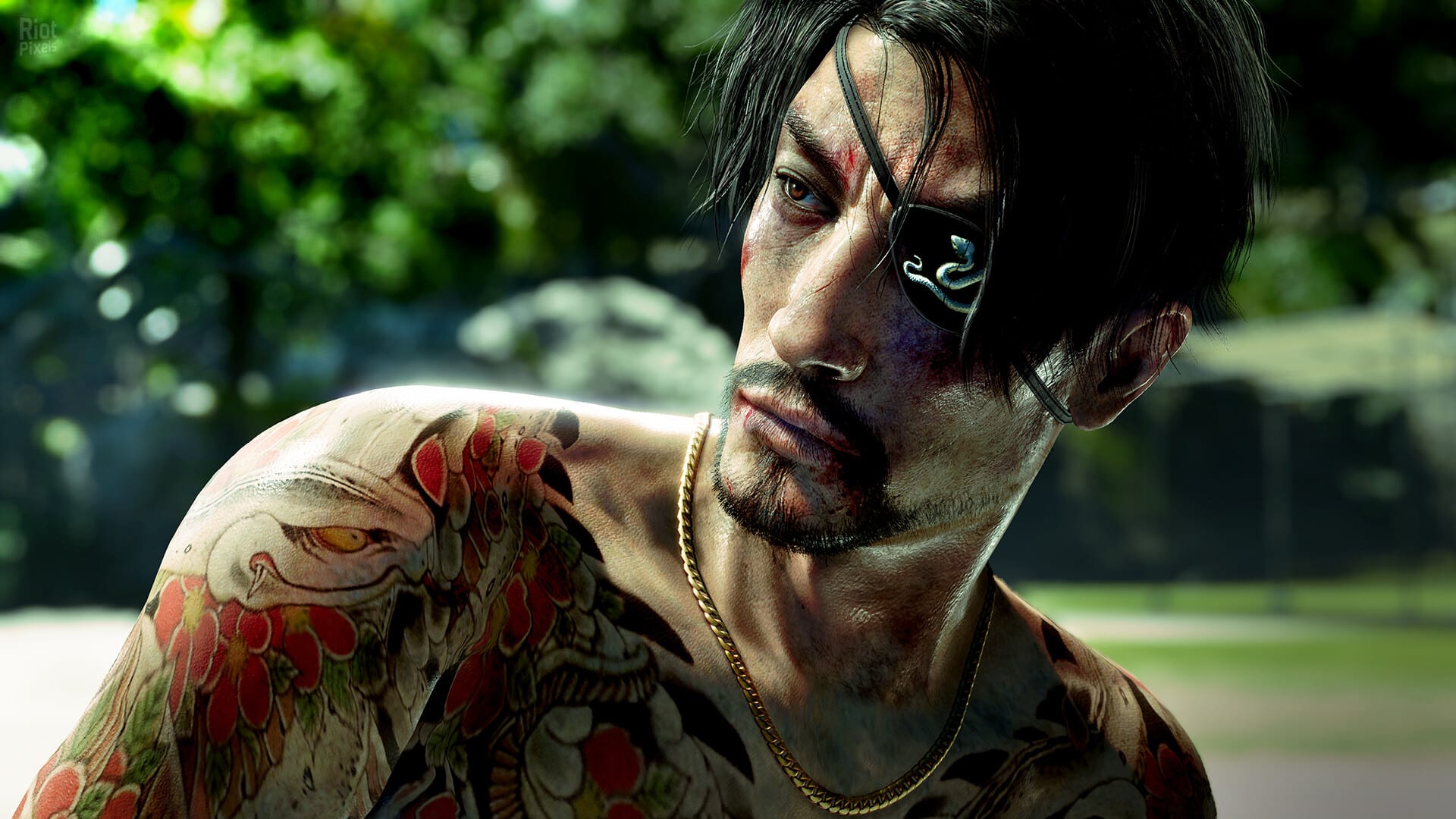
One reason the reveal worked instantly is because Goro Majima remains one of the most unpredictable characters in gaming. Majima has always balanced genuine emotional depth with complete insanity, making him the perfect character to carry a spin-off this bizarre.
Any other franchise attempting a “pirate crime drama in Hawaii” concept would probably feel forced or desperate. In the Like a Dragon universe, however, it somehow feels natural because the series already established a reputation for embracing absurdity without losing emotional sincerity.
Majima himself represents that balance perfectly. One moment he can deliver heartbreaking emotional scenes, and the next he can appear dressed like a lunatic while fighting enemies with ridiculous weapons.
That unpredictability is part of why fans love him so much.
The Franchise Is No Longer Afraid of Being Weird
What makes modern Like a Dragon games interesting is how comfortable the developers became with embracing strange ideas fully instead of treating them like small jokes.
Earlier Yakuza games mostly stayed grounded within crime-drama storytelling, even though side activities became increasingly bizarre. Now the franchise openly experiments with turn-based combat, fantasy-inspired attacks, over-the-top humor, and increasingly ridiculous scenarios.
Like a Dragon: Pirate Yakuza in Hawaii feels like the next evolution of that creative freedom.
Interestingly, fans seem far more supportive of this experimentation than critics originally expected. Instead of rejecting the weirdness, players now actively look forward to seeing how insane each new entry becomes.
Hawaii Is Becoming an Important Setting for the Franchise
The decision to use Hawaii again also makes sense after Infinite Wealth expanded the series beyond Japan more heavily than previous entries. Hawaii gives the developers opportunities to create a brighter, more chaotic environment compared to the dense urban streets traditionally associated with the franchise.
The tropical atmosphere also fits the pirate theme surprisingly well. Beaches, ports, boats, nightlife, tourists, and criminal activity naturally create opportunities for both serious storylines and absurd side content.
RGG Studio has become especially skilled at making locations feel alive through environmental detail, NPC interactions, and side activities. Hawaii already felt visually distinct in Infinite Wealth, and Pirate Yakuza appears ready to push that atmosphere even further.
The Naval Combat Surprise Changed Everything
One of the biggest surprises from the reveal was the inclusion of ship combat and naval gameplay elements. Fans immediately started comparing parts of the game to Assassin’s Creed IV: Black Flag, although the Like a Dragon version will almost certainly be far stranger and more comedic.
The idea of Majima commanding a pirate crew honestly sounds chaotic enough to carry an entire game by itself.
At the same time, some fans are curious whether the naval gameplay will have genuine mechanical depth or function more as a fun side feature. RGG Studio is known more for storytelling and character writing than large-scale combat systems, so expectations remain cautious.
Still, the willingness to attempt something this different already makes the project fascinating.
The Franchise’s Tone Is What Makes It Special
Very few gaming franchises can successfully balance emotional drama and complete absurdity without collapsing under tonal inconsistency. Like a Dragon somehow manages to do both constantly.
One moment players experience heartbreaking scenes about loyalty, aging, regret, and family. Minutes later they may help someone dressed as a mascot escape absurd situations or participate in karaoke battles.
That tonal unpredictability became one of the franchise’s biggest strengths rather than a weakness.
Like a Dragon: Pirate Yakuza in Hawaii already feels like another example of RGG Studio fully understanding what fans actually enjoy about these games.
Why Fans Trust RGG Studio More Than Most Developers
Another reason excitement around the game feels genuine is because RGG Studio built enormous trust with its audience over the years. The studio releases games frequently, but fans rarely feel those projects are cynical or creatively empty.
Even spin-offs and experimental entries usually contain strong writing, memorable characters, and huge amounts of side content.
That consistency matters in a gaming industry where many franchises feel increasingly corporate and risk-averse.
Players trust RGG Studio to commit fully to ridiculous ideas instead of treating them as cheap gimmicks.
The Internet Fell in Love With the Premise Instantly
The reveal trailer spread rapidly online because the concept itself is almost impossible to ignore. Even people who do not normally follow the Yakuza franchise started discussing the game simply because of the title alone.
“Pirate Yakuza in Hawaii” sounds so absurd that curiosity becomes unavoidable.
That viral attention benefits the franchise enormously because modern gaming discussions are heavily driven by identity and uniqueness. Games that feel genuinely strange or memorable often stand out more than technically impressive but generic releases.
Like a Dragon has increasingly become one of the few AAA franchises still willing to feel playful and unpredictable.
Final Thoughts
Like a Dragon: Pirate Yakuza in Hawaii honestly sounds like a game that should not exist, which is exactly why so many players are excited about it.
The combination of Majima, pirates, naval combat, Hawaii, organized crime drama, and chaotic humor feels perfectly aligned with the franchise’s current identity.
More importantly, the project represents something many modern AAA games lost over time: creative confidence. Instead of chasing trends or playing safely, RGG Studio continues making games that feel unapologetically strange.
Whether Pirate Yakuza becomes an amazing spin-off or simply an entertaining experiment, it already succeeded at one important thing — reminding players that big-budget games can still surprise people.
FAQ
What is Like a Dragon: Pirate Yakuza in Hawaii?
It is an upcoming spin-off in the Like a Dragon franchise featuring pirate themes, Hawaii exploration, and Majima as the main character.
Who is the main protagonist?
Goro Majima appears to lead the game, continuing his role as one of the franchise’s most iconic characters.
Will the game include naval combat?
Yes, the reveal showed ship battles and pirate-style gameplay mechanics.
Why are fans excited about the game?
Players are interested because the concept is extremely unusual while still fitting the franchise’s tradition of mixing serious storytelling with absurd humor.