Horror games become even more unsettling when players are trapped in isolated environments with nowhere to escape. Directive 8020 appears ready to use that exact idea by placing players inside a dangerous science fiction setting filled with mystery, tension, and psychological fear. Developed by Supermassive Games, the title is already attracting attention from players who enjoy narrative-driven horror experiences.
Supermassive Games is known for creating cinematic horror titles where player choices directly influence the story. Instead of simply focusing on combat or survival mechanics, their games often emphasize decision-making, character relationships, and consequences. Directive 8020 seems prepared to continue that style while introducing a darker science fiction atmosphere.
The setting itself is one of the most interesting parts of the game. Space has always been a perfect environment for horror because of its isolation and uncertainty. In deep space, help is impossible to reach, communication can fail, and even small mistakes can become deadly. Directive 8020 appears designed around that constant feeling of danger.
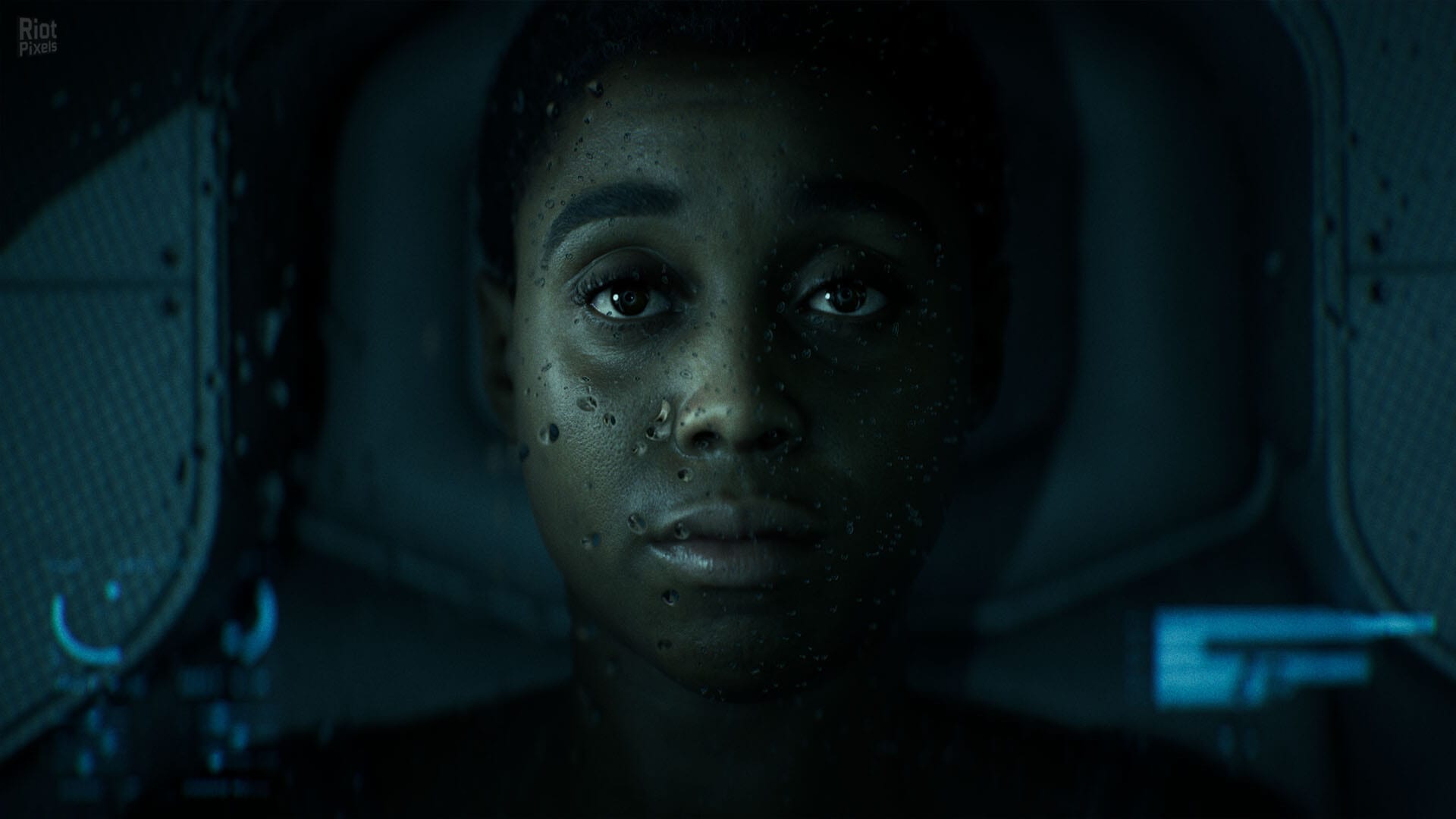
The game’s atmosphere already gives strong psychological horror energy. Dark hallways, malfunctioning systems, emergency lighting, and unknown threats create tension before players even encounter danger directly. Instead of relying only on loud jump scares, the game seems focused on building suspense slowly through environmental storytelling and uncertainty.
Another major strength of cinematic horror games is character interaction. Supermassive Games usually creates stories where every character has their own personality, fears, and motivations. In Directive 8020, trust may become one of the most important themes. When players are trapped with a crew facing unknown threats, paranoia can become just as dangerous as the enemy itself.
Science fiction horror works best when technology and survival collide. Advanced systems, artificial intelligence, spacecraft controls, and mysterious signals often become part of the horror experience. Directive 8020 appears to use futuristic technology not as protection, but as another source of tension and unpredictability.
The visual presentation also plays a major role in creating immersion. Detailed environments, realistic lighting, and cinematic camera work help make the game feel closer to an interactive sci-fi movie. Supermassive Games has experience creating visually dramatic scenes, and Directive 8020 appears ready to continue that approach with a darker and more serious tone.
One reason players enjoy choice-driven horror games is because every decision carries pressure. Saving one character may place another in danger. Investigating suspicious activity could reveal important information or lead directly into a deadly situation. These moments create emotional investment because players feel responsible for the outcomes.
Directive 8020 also benefits from the growing popularity of sci-fi horror in modern gaming. Players continue looking for experiences that combine suspense, mystery, and survival inside futuristic settings. Space environments naturally increase fear because they remove safety, familiarity, and escape routes from the player.
Sound design will likely become another important part of the horror experience. Mechanical noises, distant footsteps, distorted communications, and sudden silence can make even empty corridors feel threatening. In horror games, audio often becomes just as important as visuals when building tension.
The game may also explore themes beyond simple survival. Isolation, identity, fear, and trust are common themes in science fiction horror stories. If Directive 8020 follows the narrative style Supermassive Games is known for, players can expect emotional conflicts alongside physical danger.
Modern horror audiences also appreciate games that create tension without constantly depending on action. Slow exploration, uncertainty, and psychological pressure often leave stronger impressions than nonstop combat. Directive 8020 appears designed around suspense and atmosphere rather than excessive action sequences.
Another reason the game is generating attention is because cinematic horror experiences remain relatively rare compared to other genres. Many players enjoy games that feel interactive and story-focused rather than purely competitive. Directive 8020 seems positioned to deliver exactly that type of experience.
As technology improves, horror games continue becoming more immersive and realistic. Better lighting systems, facial animations, environmental detail, and sound design allow developers to create stronger emotional reactions from players. Directive 8020 could become one of the sci-fi horror games that fully benefits from those advancements.
With its deep-space setting, cinematic storytelling, and psychological tension, Directive 8020 has the potential to stand out among modern horror titles. For players who enjoy suspenseful stories, difficult choices, and terrifying science fiction atmospheres, the game is already shaping up to be one of the more interesting horror releases to watch.