After sales service in India has a real problem and a new report from Counterpoint Research puts numbers to what most smartphone users already know from experience. Four out of ten consumers in India need to visit a service center more than once to get their phone issue actually resolved. That repeat visit rate is the most damaging finding in the report because it represents wasted time, wasted travel, and eroded trust in a market where brand loyalty is already fragile.
On the first visit resolution rate, Samsung leads with 67 percent, Xiaomi follows at 65 percent, and Apple sits at 61 percent. The gap between Samsung and Apple is more interesting than it looks because Apple products are generally more expensive, carry longer warranty expectations, and serve a customer base with higher service expectations. A 61 percent first visit resolution rate on a phone costing above ₹80,000 is a harder number to defend than the same figure on a mid-range device.
Repair speed is where Xiaomi pulls ahead of both competitors. Only 47 percent of users across the industry get their issue resolved within four hours. Xiaomi's figure is 52 percent, sitting above Apple's 50 percent and the industry average. In practical terms that means more than half of Xiaomi service visits in India are resolved within a working half-day, which is a meaningful quality of life improvement over brands that require leaving a device overnight or returning the next day.
The cost finding is the one that explains a lot about Xiaomi's position in India specifically. Repair cost after warranty expiry is the single biggest source of complaints, with 43 percent of respondents calling out-of-warranty costs too high. Xiaomi's response to this has been structural. Thirty seven percent of Xiaomi user issues in India are resolved at a total cost below ₹1000. That is a specific and significant number in a market where a mid-range repair at a competitor's service center can easily cross ₹3000 to ₹5000 for common issues like screen replacement or charging port repair.
Service center accessibility has largely been solved. Fifty nine percent of users said they found service centers easy to reach, which suggests the offline network coverage across brands has matured enough to stop being the primary complaint. The remaining friction is in what happens once you get there, the wait time, the repair quality, and the bill at the end.
The four factors driving user satisfaction according to the report are service center facilities at 52 percent, repair quality at 47 percent, staff friendliness at 46 percent, and timely repair and problem resolution also at 46 percent. The spread between these four is narrow, which suggests users are evaluating the entire experience holistically rather than weighing any single factor heavily. A clean service center with friendly staff that takes three days to fix a phone still produces a dissatisfied customer.
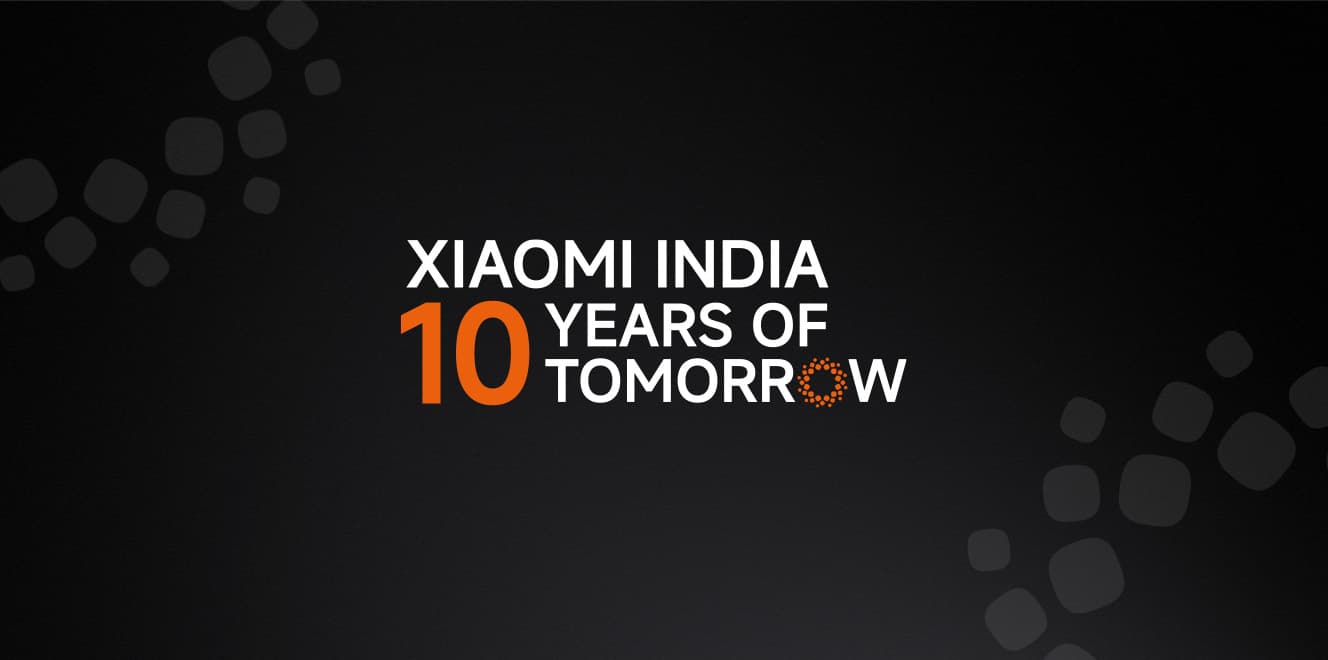
This report lands at an interesting moment for Xiaomi in India. The brand recently released a video on its India website titled Xiaomi India 10 Years of Tomorrow, marking a decade of the company's presence in the Indian market. The timing connects directly to findings like this one. Xiaomi entered India competing almost entirely on price and specification. Ten years later it is leading a Counterpoint Research after sales benchmark above Apple and within two points of Samsung. That shift from value brand to service leader in one of the world's most demanding smartphone markets is the story behind the numbers in this report.