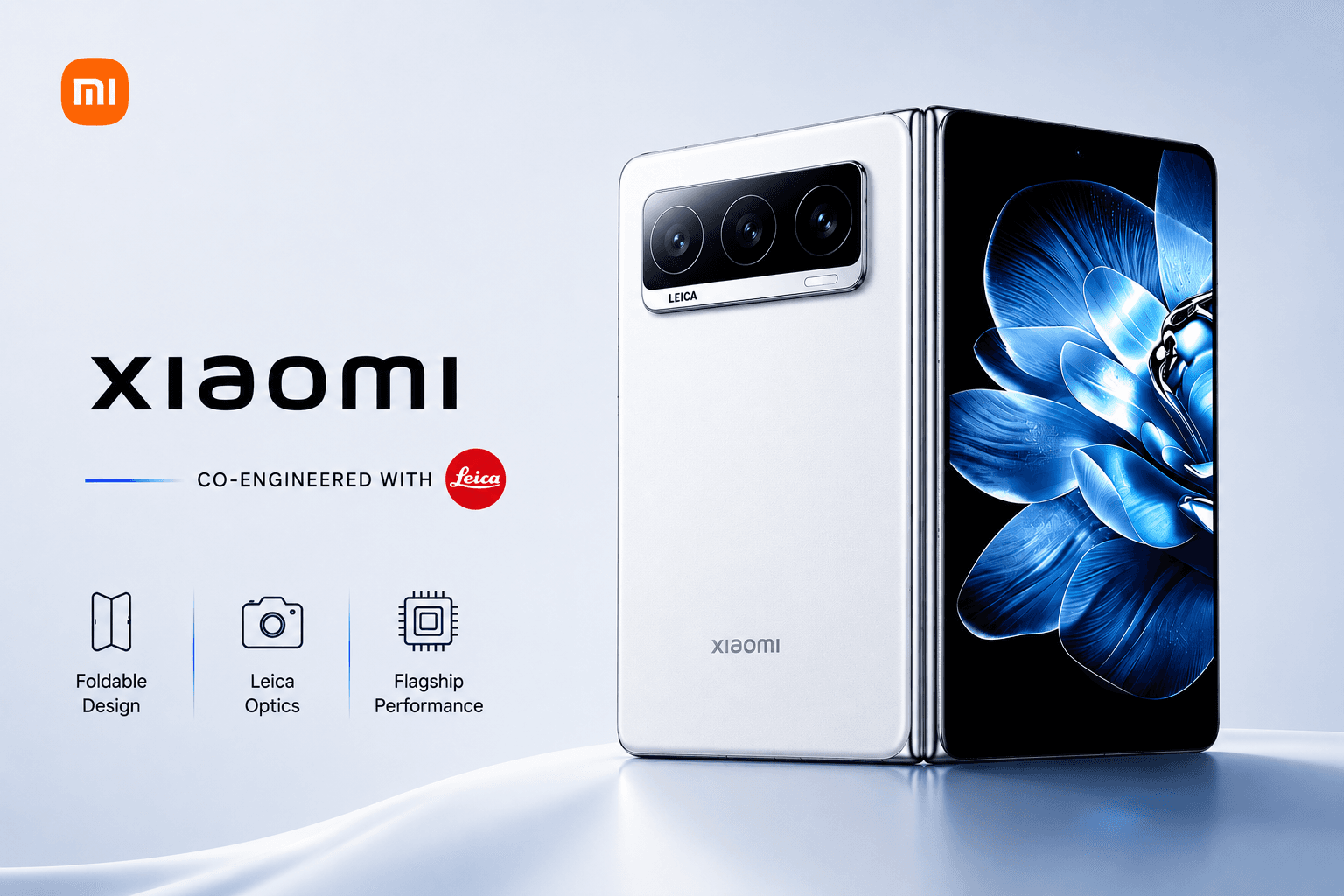
Xiaomi has held its flagship starting price at 4499 yuan (roughly $615 or ₹51,500) for two consecutive generations. The Xiaomi 15 launched there. The Xiaomi 17 launched there. That consistency became part of Xiaomi's identity in the premium segment, the brand that delivers flagship hardware without crossing into the price territory that Samsung and Apple occupy. That era ends with the Xiaomi 18.
Leaks from the supply chain suggest the Xiaomi 18 series will start at 5499 yuan (roughly $755 or ₹63,000), making it the most expensive number series flagship Xiaomi has ever released. The Xiaomi 18, Xiaomi 18 Pro, and Xiaomi 18 Pro Max are all expected to launch in September 2026, and the entire lineup will ship with Qualcomm's Snapdragon 8E6, the first 2nm flagship mobile processor from Qualcomm.
The price increase is not a choice Xiaomi is making freely. The Snapdragon 8E5 already cost approximately $280 per chip. Moving to a 2nm process pushes the Snapdragon 8E6 Pro's chip cost roughly 20 percent higher, which means a single chip alone crosses $300 and accounts for over 2000 yuan of the device's bill of materials before screens, cameras, memory, or assembly are factored in. Memory chip prices have been rising across the industry for over a year now, driven by AI infrastructure demand absorbing supply that would otherwise go into consumer devices. Every component that goes into the Xiaomi 18 costs more than its equivalent did in the Xiaomi 17.
The 2nm process itself justifies the premium beyond just cost. Manufacturing at 2nm delivers meaningful improvements in performance per watt compared to the 3nm generation. For daily users that translates to better sustained performance during extended gaming sessions, longer battery life from the same cell capacity, and cooler operation under load. These are not marginal gains and they are the reason manufacturers are absorbing the higher chip costs rather than staying on older nodes.
For Indian buyers this pricing shift matters more than it might appear. The Xiaomi 17 launched in India at ₹49,999, which was already a premium over its Chinese price due to import duties and local taxes. If the Xiaomi 18 starts at 5499 yuan in China, the Indian retail price could realistically land between ₹64,999 and ₹69,999 depending on how Xiaomi structures the India launch. That would push the base Xiaomi 18 directly into competition with the Samsung Galaxy S25, the OnePlus 13, and the iPhone 16 base model, a bracket where Chinese brands have historically struggled to convert specs into sales because brand trust and ecosystem loyalty play a larger role in buying decisions.
The irony for Indian consumers is that the price increase is driven by the same memory crisis that is already making every mid-range and budget phone more expensive in 2026. Whether you are buying a ₹15,000 phone or a ₹65,000 flagship, the same shortage of NAND flash and DRAM is adding cost at every level. The Xiaomi 18's price jump is simply the most visible and discussed example of a trend that is affecting the entire market simultaneously.
Xiaomi will officially reveal all configuration pricing at the September launch event. Until then the 5499 yuan figure is a supply chain estimate rather than a confirmed price. What is confirmed is that the 4499 yuan era is over, and September will tell us exactly how much more Xiaomi's flagship costs in the 2nm generation. The Indian prices I mention are based solely on direct currency conversion. The actual prices in India will likely be significantly higher due to taxes, import duties, and other local factors, so keep that in mind.