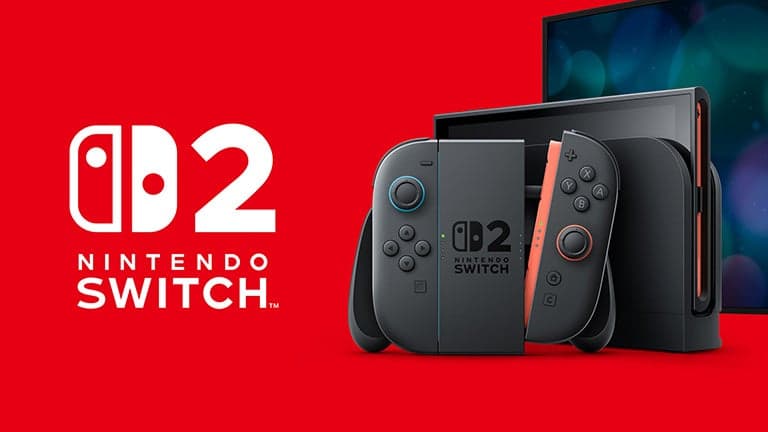
Nintendo raised the price of the Switch 2 in Japan in late May and the sales data that followed was brutal. The Japanese-language domestic version went from 49,980 yen to 59,980 yen, a 10,000 yen increase overnight. The week before the price change, 247,880 Switch 2 units sold in Japan. The week after, that number fell to 31,751. That is not a dip. That is an 87 percent collapse in weekly sales from one week to the next.
The Switch 1 felt it too. The older console sold 2,731 units the week prior and dropped to just 229 units after the revision. Nintendo also revised prices across its entire Switch lineup in Japan simultaneously. The OLED model moved from 37,980 yen to 47,980 yen. The standard Switch went from 32,978 yen to 43,980 yen. The Switch Lite climbed from 21,978 yen to 29,980 yen. Every product in the family got more expensive at once, and Japanese consumers responded by simply not buying.
The reason Nintendo gave was changes in market conditions and global business outlook, which is accurate but incomplete. The fuller picture involves what has happened to component costs across the entire electronics industry over the past two years. Memory and storage prices have risen sharply as AI companies absorbed enormous quantities of NAND flash and DRAM for data center buildouts. The same chips that go into a Switch cartridge slot or a PC's SSD are competing for supply against server farms buying memory by the rack. When that demand accelerates faster than manufacturing capacity can respond, prices go up for everyone downstream, including console makers, PC builders, and ultimately consumers.
This is why building a PC has become painful in the same period. RAM prices climbed. SSD costs that had been falling for years reversed direction. GPU VRAM became a point of controversy as AI workloads demanded more memory on chip, pushing costs up on cards that were already expensive. A mid-range PC build that would have cost a reasonable amount in 2022 now requires noticeably more budget for equivalent specifications. The AI race between major technology companies created a demand shock that the component supply chain was not built to absorb quickly, and ordinary consumers are paying that difference whether they are buying a graphics card, a console, or a laptop.
Nintendo's price hike sits directly inside that context. The company is not raising prices because it wants to. It is passing along costs that have risen at the supplier level, which is exactly what every hardware manufacturer is doing right now in some form.
The question the sales data raises is whether this is temporary hesitation or a genuine cooling of demand. Some buyers are likely waiting to see if prices stabilise or if Nintendo offers promotions later in the year. Others may have decided the value no longer justifies the cost. The next few weeks of Famitsu data will start answering that question. A Nintendo Direct is also rumoured for the coming weeks, with speculation around a Legend of Zelda Ocarina of Time remake and a new 3D Mario potentially arriving in 2027. Strong software announcements could pull hesitant buyers back. But no game announcement changes what a consumer sees on the price tag at the register.