There is a specific moment every MacBook user has experienced at least once. You are looking at something on screen, a photo, a link, a button, and without thinking your hand moves toward the display. Your finger gets within an inch of the glass before your brain catches up and reminds you that this is a Mac, and Macs do not work that way. You pull your hand back, reach for the trackpad, and move on. It is a small thing but it happens constantly, and Apple has spent years insisting it is not a problem worth solving.
That position is finally shifting. macOS 27 introduced something quiet but significant. If you run the latest beta on both a Mac and an iPad, Sidecar now lets you operate macOS directly with your fingers on the iPad screen. Click links, open apps, scroll through pages, all with touch. Apple has not announced a touchscreen Mac. What they have done is use every iPad running the beta as an unpaid testing ground for exactly how people interact with macOS when touch is an option. Which buttons get tapped, which menus are too small for fingers, where accidental touches happen most. Apple is collecting all of that before a single touchscreen MacBook ships.
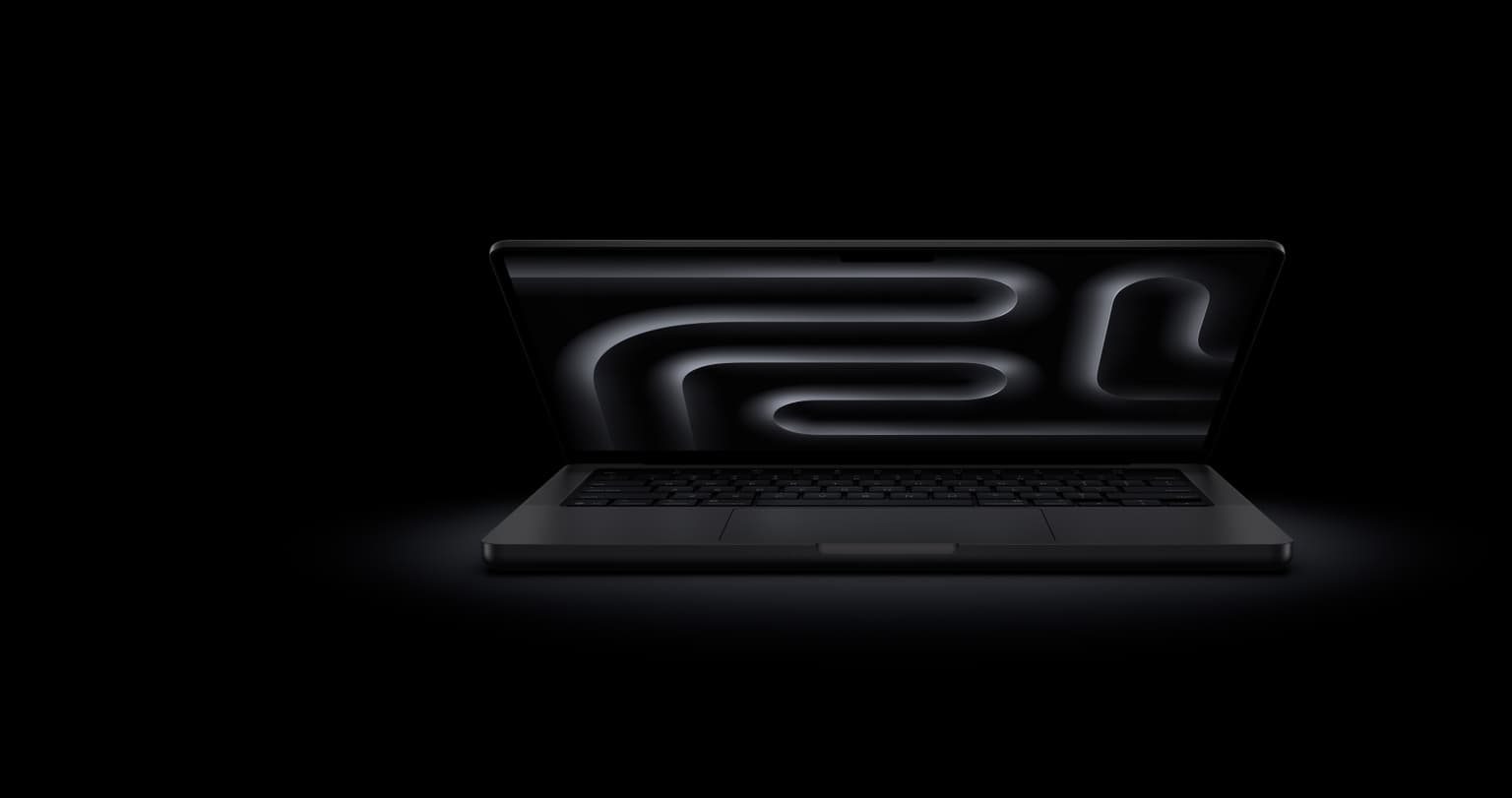
According to Bloomberg's Mark Gurman, the product this research is building toward is called the MacBook Ultra, expected in early 2027. The spec list reads like Apple finally letting go of several long-held restrictions at once. OLED display, touch support, a Dynamic Island design with a punch-hole camera, a thinner body, M6 Pro and M6 Max chips on a 2nm process, and possible cellular connectivity. Every one of those features has been rumoured on a Mac for years and held back for one reason or another.
The naming makes sense when you look at how Apple uses Ultra elsewhere. The Apple Watch Ultra is not just a bigger Apple Watch. It has a different chassis, different target user, different use environment. Ultra in Apple's language means a product that can break from the constraints of the line it sits above. A MacBook Ultra gives Apple permission to put OLED, touch, and cellular into a new category without forcing those changes onto every MacBook Pro buyer who does not want them and did not ask for them.
The current MacBook Pro has a product definition problem that Apple has been quietly ignoring. The 14-inch model spans from a base M5 chip aimed at users upgrading from the Air all the way to M5 Max configurations used by video studios and developers running complex builds. That is an enormous range of price and performance under one name. When the redesigned high-end model arrives with a completely different screen technology, touch interaction, and body design, calling it the same product as the base model becomes genuinely confusing. MacBook Ultra resolves that cleanly.
The concerns are real though and worth taking seriously. Professional users who depend on a MacBook do not evaluate hardware by feature count. They care about port availability, thermal performance during long sessions, battery life across a full shoot or edit day, and reliability when the machine travels constantly. The 2021 MacBook Pro taught Apple an important lesson when it brought back MagSafe, HDMI, and the SD card slot after years of dongle dependency. Professionals noticed and rewarded Apple for it. If the MacBook Ultra chases thinness at the cost of thermals or cuts ports to accommodate a touchscreen layer, it will repeat the mistakes that made the 2016 to 2019 MacBook Pro era so frustrating for the people who needed it most.
The touchscreen itself only works if macOS treats it correctly. Bolting touch onto an interface designed entirely around cursor precision produces a product that feels awkward in both modes. The right approach is narrower, touch where it is natural and unobtrusive, invisible when you are in a workflow that does not need it. Reaching out to scroll through a reference image while your other hand stays on the keyboard should feel effortless. Trying to hit a menu item with your finger should never be the intended method.
Apple has spent a decade drawing a hard line between Mac and iPad. macOS 27 is the first sign that line is being redrawn rather than defended. Whether the MacBook Ultra arrives exactly as rumoured or under a different name, the direction is clear. The Mac is about to learn how to be touched, and for the first time in a long while, that feels like something Apple has actually thought through.