Budget laptops have always been a compromise. You either get a cheap plastic machine that feels disposable after six months, or you stretch your budget further than you planned just to get something that does not embarrass you in public. Apple sat out that entire conversation for decades, happy to sell premium hardware at premium prices and leave the entry-level market to Windows and Chrome. The MacBook Neo is the first time Apple has genuinely shown up to that fight, and the 1.1 million units shipped in three weeks suggest the market was ready for exactly this.
An IDC deputy senior vice president noted that the sales data carried unusual weight given the circumstances. The Neo only became available in mid-March, giving it roughly three weeks of the fiscal quarter, with shipments only beginning to climb meaningfully from the start of April. Despite that compressed window, it outsold the MacBook Air and MacBook Pro in their own debut quarters. Demand in several countries including India far exceeded expectations, and local distributors faced consistent stock shortages from the beginning.
At ₹69,900 in India it sits in a bracket where Chromebooks and budget Windows laptops have competed against each other for years without either side producing anything truly satisfying. Chromebooks do their job if your entire life lives inside a browser, but the moment you need to work offline, run software that does not have a web version, or handle anything requiring real local processing, the limitations show up fast. Most budget Windows laptops at this price use processors and cooling solutions that perform well in short bursts and throttle aggressively the moment sustained work begins. The chassis flex, the trackpads feel cheap, and the displays are an afterthought.
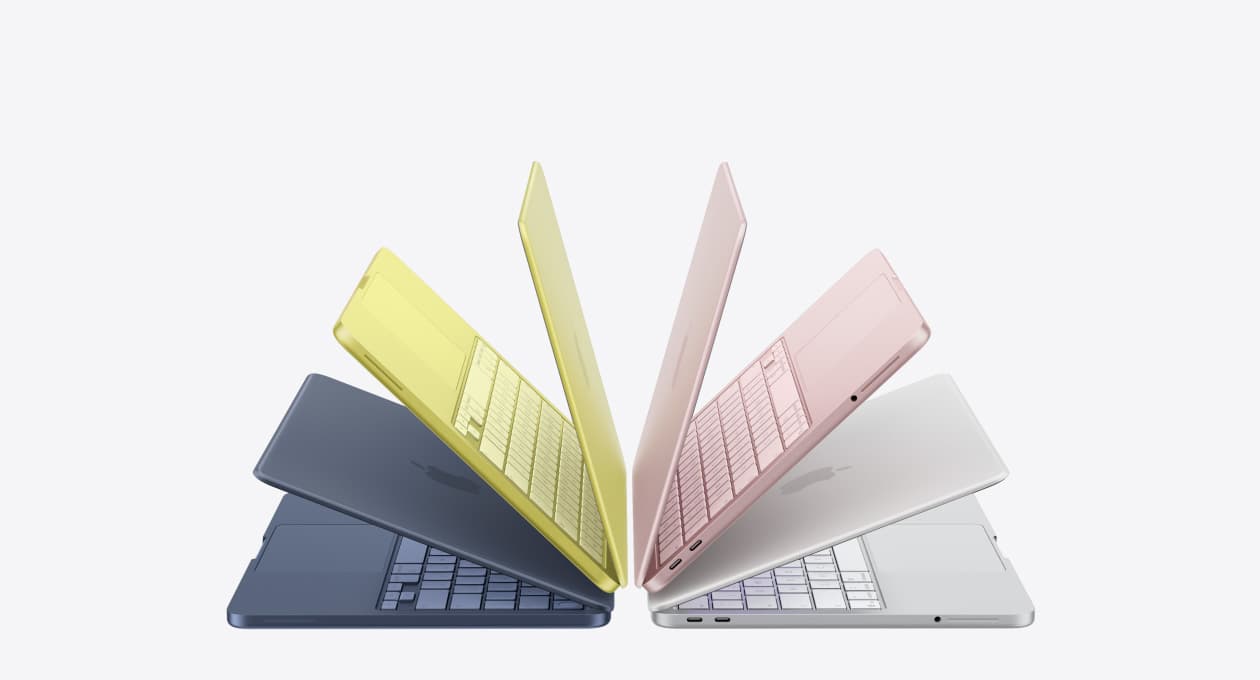
The Neo walks into that comparison and wins on build quality before you even open an application. Aluminium body, a 13-inch Liquid Retina display, and a trackpad that Apple has spent years refining. The physical experience of using a Neo is closer to a MacBook Air than to anything else in its price range, and that gap is felt immediately when you place them side by side.
Battery life is the other area where the Neo does something budget laptops rarely manage. The A18 Pro is derived from iPhone chip architecture, built specifically to deliver strong performance while consuming as little power as possible. That mobile DNA means the Neo runs for a genuinely long time on a single charge, the kind of all-day battery life that budget Windows laptops promise and rarely deliver. For a student moving between classes or someone working without guaranteed access to a charger, this matters more than any spec sheet number.
The honest limitation is the same thing that makes the battery great. The A18 Pro is a mobile chip and it behaves like one. Browsing, documents, spreadsheets, video calls, streaming, and light photo editing all run smoothly without complaint. But sustained video editing at high resolutions, compiling large codebases, running intensive local AI models, or any workflow demanding the processor stay at full performance for extended periods will expose the gap between a mobile chip and the M-series processors in the Air and Pro. The A18 Pro does not have the thermal headroom or sustained throughput of an M4. That is the trade-off Apple made to hit the price point, and it is a reasonable one for the audience this machine is targeting.
The base model ships with 8GB of RAM, which is functional for most users but worth knowing before buying. Heavy multitaskers running many browser tabs, large files, or memory-hungry applications simultaneously will feel that ceiling sooner than they might expect.
Tim Cook confirmed during the April earnings call that consumer response was exceeding expectations and that Apple added a record number of new Mac users in the March fiscal quarter, driven entirely by the Neo. A senior Counterpoint Research analyst added that the Neo's value goes beyond sales figures, describing it as one of Apple's most strategically significant Mac products in recent years precisely because it is pulling in first-time Mac buyers at a scale Apple has never reached before in this price segment.
Dell launched a new budget XPS 13 targeting the same price bracket within weeks of the Neo going on sale, openly acknowledging that the Neo confirmed strong market demand for affordable quality laptops. When a major PC manufacturer repositions a product line in direct response to an Apple launch, that reaction says more about how seriously the industry views the Neo than any shipment number does.