Nine consecutive weeks of year-on-year decline is not a blip. It is a pattern, and the global smartphone market is deep in one right now.
Week 20 of 2026 saw total global smartphone sales drop 8% compared to the same period last year, according to weekly tracking data from Counterpoint Research. The number itself is concerning, but the streak behind it tells the real story. End-consumer demand has not recovered the way the industry hoped it would, and the pressure is now landing differently depending on which brand you are looking at.
Apple and Huawei are the two names standing out from the decline. Apple posted 10% year-on-year sales growth in week 20, a result that carries more weight when the broader market is contracting by 8%. Huawei went further, recording 23% year-on-year growth, which is not just beating the market average but running in the opposite direction entirely. Samsung sat in the middle, essentially flat compared to the same week last year, which in a declining market is a defensible position even if it is not a strong one.
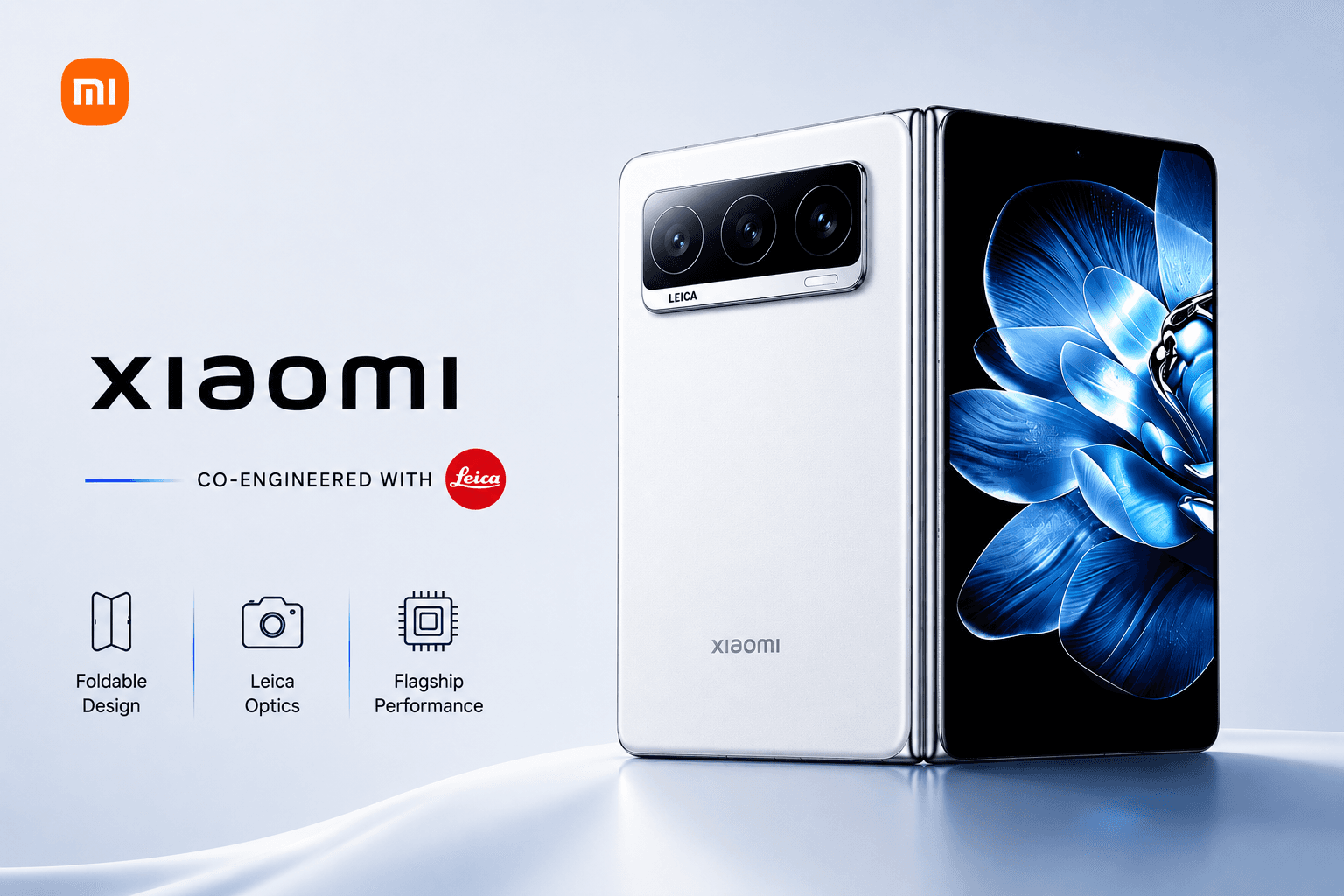
The brands feeling the sharpest pressure are Xiaomi, OPPO, and vivo. The common thread across all three is supply chain exposure. Tightening availability of core components, combined with rising costs, has squeezed their ability to price competitively and move stock efficiently. When you cannot control what a component costs or whether it arrives on time, your pricing strategy becomes reactive rather than planned, and that shows up in sales numbers.
This is where the market divergence becomes structural rather than temporary. Counterpoint Research's analysis points directly at component supply as the variable separating brands that are growing from those that are not. AI-related industries are consuming more storage and semiconductor resources than before, and that demand is competing with smartphone manufacturers for the same supply pool. Brands that have locked in component supply, through long-term agreements, vertical integration, or domestic sourcing, are in a fundamentally stronger position to plan promotions, maintain margins, and keep products on shelves at consistent prices.

Huawei's situation illustrates this clearly. The company's localised supply chain in China has given it a degree of insulation from the global component volatility that is affecting other manufacturers. That stability feeds into everything downstream, from pricing to channel management to how aggressively a brand can push promotions without eroding margin. An associate director at Counterpoint Research specifically noted that brands with control over key components like memory are maintaining more stable pricing structures and promotional rhythms as a direct result.
Apple's supply chain position is different but similarly controlled. Years of deep supplier relationships and the scale that comes with being the world's most profitable smartphone company mean Apple absorbs component cost increases in ways that smaller volume manufacturers cannot. The 10% growth in week 20 is partly a reflection of that stability.
What this data does not show is a demand problem unique to any one brand. The 8% overall market decline suggests consumers across the board are holding off on upgrades. Economic caution, longer device replacement cycles, and the absence of a single must-have feature driving mass upgrades are all contributing. The brands growing inside that environment are doing so through supply chain control and brand loyalty, not because demand has suddenly recovered for them specifically.
If the supply squeeze on components continues to tighten through the second half of 2026, the gap between well-supplied and supply-constrained brands is likely to widen further before it narrows.