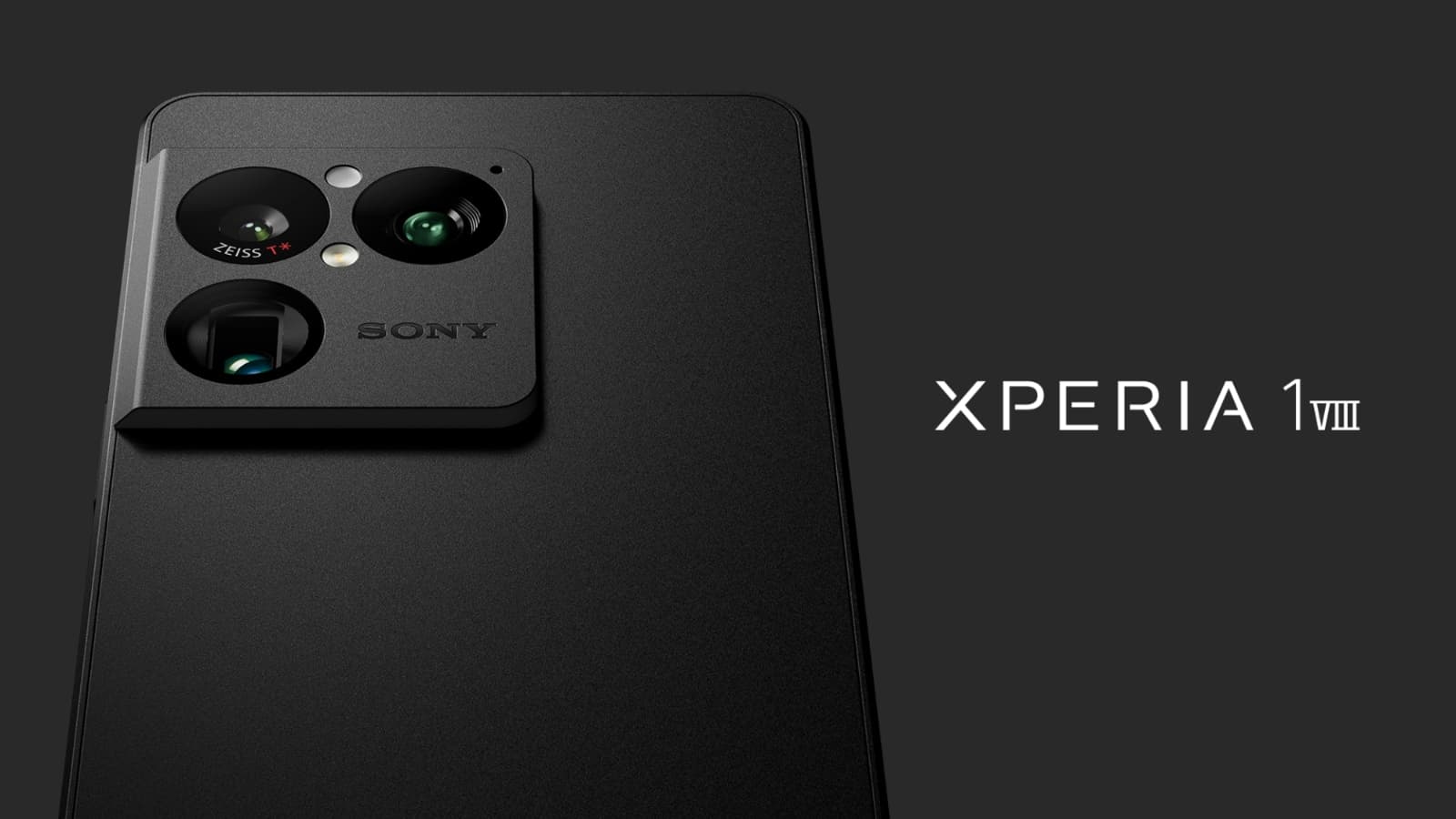
Sony finally did something different. After seven years of the same tall rectangular slab with the same corner placements and the same general vibe, the Xperia 1 Mark 8 arrives with a new design, a new square camera module, and the first meaningful telephoto upgrade the series has seen in years. For anyone who has been waiting for Sony to shake things up, this is that moment. Whether the shake is hard enough to justify the price is a different conversation entirely.
Start with what genuinely improved because there is real substance here. The telephoto camera is the headline and it earns the attention. The new lens uses a 1/1.56 inch sensor, four times larger than the previous generation, paired with a fixed 70mm focal length at f/2.8. Sony moved away from the continuous zoom technology that defined earlier Xperia telephoto cameras and replaced it with a prime lens, which means no variable focal range but naturally sharper images with better texture rendering at the native focal length. At 2.9x the results are genuinely excellent. Sharp subjects, smooth background separation, accurate colour depth, and a shutter speed fast enough to freeze motion even in moderate low light. A butterfly mid-flight, wings fully sharp, is not a result you get from a weak telephoto. In the 70mm to 140mm range this camera earns its place among the best telephoto lenses currently on any smartphone.
The Snapdragon 8 Elite Gen 5 on TSMC's refined 3nm process finally puts Sony in the same thermal conversation as other current flagships. Earlier Xperia generations ran hot under sustained load, which made the camera performance inconsistent during longer shooting sessions. Under a full hour of stress testing the chassis stayed around 40 degrees Celsius. That is a real improvement and it matters for anyone who shoots video seriously. Four consecutive benchmark runs over roughly an hour showed no significant performance drop, which was not something you could say about the Mark 5, 6, or 7 with confidence.
The design is the other genuine win. The laser engraved Xperia logo on the back returns after a decade away. The bezels are thinner than before while keeping the dual front-facing speakers, which remain the best sounding speakers on any smartphone currently available. The dedicated two-step shutter button is here. The 3.5mm headphone jack is here. The tool-free micro SD card slot is here. The side-mounted fingerprint sensor is here. For a certain kind of user, specifically someone who shoots content, edits on the go, and values physical controls, the Xperia 1 Mark 8 offers things no other flagship does in one package.
Now the harder part.
The primary camera has not changed since the Xperia 1 Mark 5. Four years with the same main sensor. The selfie camera has not changed since the Mark 4, which means five years with a front camera that was not competitive when it launched and is embarrassingly behind the current standard now. Sony makes sensors that other companies put in their best phones. The irony of Sony using outdated hardware in a device that costs more than an iPhone 17 Pro Max, more than a Samsung Galaxy S26 Ultra, more than essentially every other flagship currently on sale, is not subtle.
The AI colour filter feature that Sony promoted on social media before launch became a meme almost immediately. The promotional post showed a photo before and after the AI was applied, and the after version looked overexposed and worse. It went viral for the wrong reasons. Sony tried to address it but the damage to the launch narrative was already done. For a company that built its reputation on natural colour accuracy and hardware-first photography, releasing a broken AI filter as a marketing centrepiece was the wrong move in every direction.
Charging remains at 30 watts. In 2026, with phones across every price bracket offering 65 watts, 80 watts, and beyond, 30 watts on a nearly $1,800 device is indefensible. There is no wireless charging. There is no facial recognition. The display is full HD in a market where phones costing several hundred dollars less ship with quad HD panels.
If you own an Xperia 1 Mark 7 there is almost no reason to upgrade. The primary camera is the same. The selfie camera is the same. The charging is the same. The battery capacity is the same. What you get is a new telephoto lens and a processor that runs cooler. That is not a $1,700 upgrade for someone already in the ecosystem.
The Xperia 1 Mark 8 is not a bad phone. The telephoto camera is excellent, the speakers are unmatched, the physical controls are unique, and the thermal management is finally sorted. But Sony is charging the highest price in the flagship market for a phone that is not the best in any single camera category other than telephoto, does not have the brightest display, does not have the fastest charging, and has not updated its front camera in five years. That gap between price and performance is the real story of this phone, and Sony is the only one who can close it.