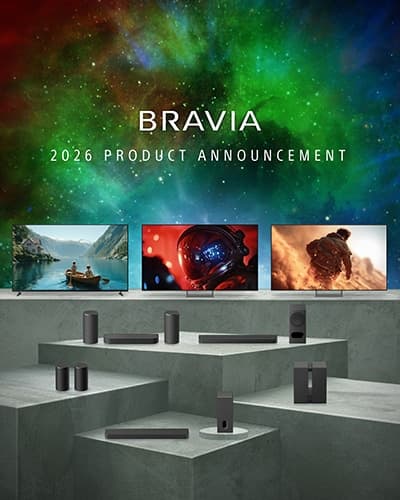
I remember when a Sony television in the living room meant something. Not just as a screen but as a statement. The kind of purchase families saved for, debated over, and felt proud of for years afterward. Sony was not just selling hardware, it was selling a standard. That era is over, and the deal signed in early 2026 is the clearest possible proof of it.
On January 20, Sony and TCL announced a memorandum of understanding to form a global joint venture covering Sony's entire home entertainment business. By March 31, legally binding definitive agreements were signed. The new company is named BRAVIA Inc., valued at roughly 102.8 billion yen. TCL paid approximately 475 million dollars for majority ownership. The structure is 51 percent TCL, 49 percent Sony. Operations begin April 2027.
This is a worldwide deal, not a regional one. Every Sony television sold anywhere after April 2027 will come from a company that TCL controls. Product development, design, manufacturing, sales, logistics, and customer service all transfer to BRAVIA Inc. The business handed over covers consumer TVs, commercial flat panel displays, projectors, home theater systems, and audio components. The Sony and BRAVIA names stay on the products. The company making decisions about those products answers to TCL.
To understand how a brand that once defined premium television ended up here, you have to look at what happened to the industry over two decades. Sony's strength was always in the complete ownership of its technology stack, from the display panel to the processing chip to the final calibration. That vertical control was a genuine competitive advantage when the rest of the market could not replicate it. The problem is that advantage requires constant reinvestment to stay ahead, and the rest of the market eventually caught up.
TCL's turning point came when it invested billions into building its own display panel manufacturing through CSOT. That decision gave TCL control over its supply chain, its production costs, and its ability to iterate without depending on outside suppliers. Once that foundation was in place, TCL could build televisions with competitive picture quality at a fraction of what legacy brands needed to charge to maintain margins. The premium that Sony commanded stopped being about superior hardware and started being about brand perception, and brand perception alone is a fragile thing to charge extra for.
By the third quarter of 2025, Sony's global TV shipments had fallen to 2.6 million units, placing it tenth worldwide. TCL was shipping over 20 million units in the same period. Those two numbers define the power dynamic inside BRAVIA Inc. better than any official statement could.
Sony is not walking away from television entirely. Keeping 49 percent means the company participates in whatever the joint venture earns going forward. What Sony is walking away from is the operational burden of running a hardware business that has been shrinking for years while its more profitable divisions in image sensors, gaming, music, and film carry the group. The home entertainment business was categorised as a loss or near-zero margin operation in recent financial statements. Letting TCL take the wheel while retaining the brand and technology royalties is the rational exit from that position.
The real question this deal raises for anyone buying a Sony TV is what the name on the box will actually represent after April 2027. Sony's XR processing, its colour science, and its audio tuning philosophy are part of what transfers into BRAVIA Inc. Whether TCL's operational control shifts those priorities over time toward cost efficiency over quality is something no announcement can answer yet. The first products from the joint venture will settle that question more honestly than any press release.
What is already settled is the direction of the global television industry. The brands that built their reputations on technological authority are increasingly finding that manufacturing scale and supply chain efficiency matter more than heritage in a market where most buyers compare screens in a store under fluorescent lights and choose the one with the better price tag. Sony understood its technology better than almost anyone. It understood the market later than it needed to.