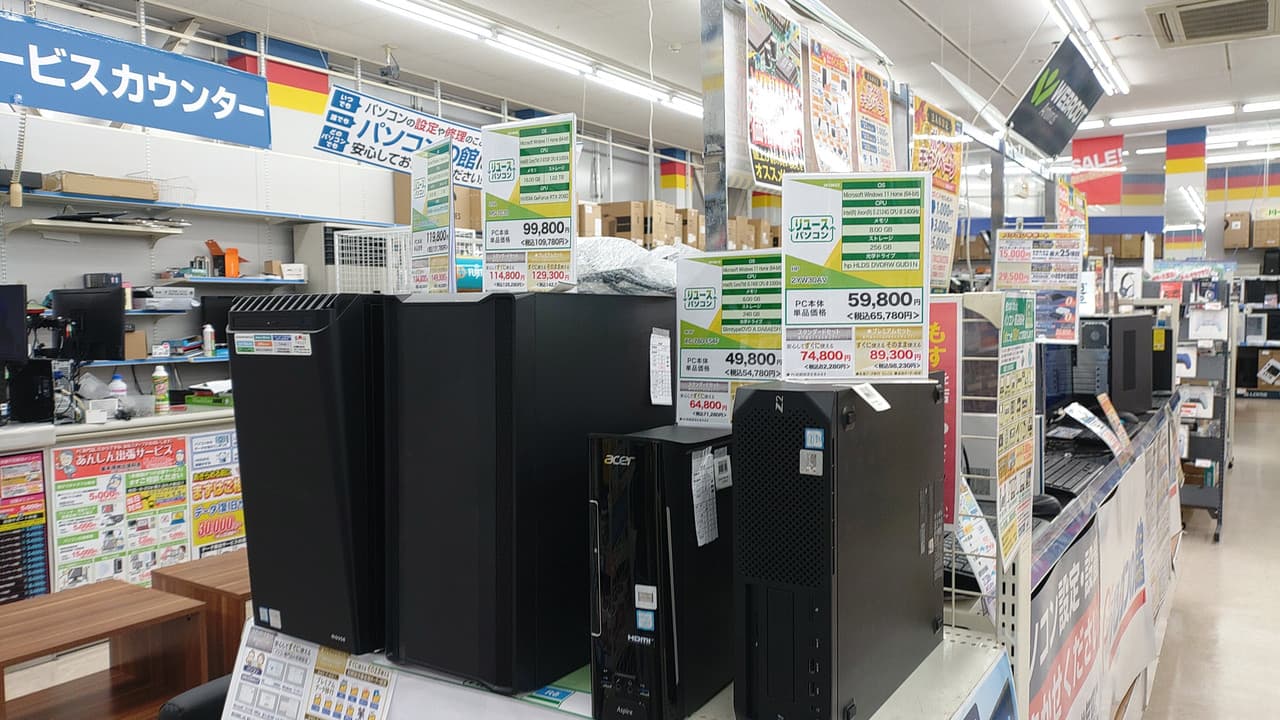
A computer retailer in Akihabara, Tokyo's electronics district, recently posted on social media with a message that said everything about the current state of the PC market. The store was asking customers to please sell their old gaming PCs back because the shelves were nearly empty and new stock was not coming. A photo posted alongside the message showed retail shelving with almost nothing on it.
This is what the AI memory crisis looks like at street level. Data center operators building AI infrastructure have the financial firepower to outbid consumer electronics supply chains for the same memory components that go into a gaming PC or a laptop. The three major memory manufacturers supply both markets and right now the enterprise side of that equation is winning every allocation argument. Stores like this one in Akihabara have already been limiting purchases of SSDs, hard drives, and memory modules since late last year to prevent bulk buying. Now the inventory itself has dried up.
The DDR5 price movement is the sharpest visible signal of how bad things have gotten. A 16GB DDR5 kit that cost around 66 dollars last October is now listed at over 235 dollars in some markets, a price increase of more than three and a half times in under a year. For anyone building or upgrading a PC right now that number changes the entire budget calculation.
The workaround that has emerged is DDR4. Older inventory and second-hand modules from users who already upgraded have kept DDR4 pricing more stable, and the market has noticed. Motherboard manufacturers are continuing to produce DDR4 compatible boards and hints of new processors supporting the older platform keep surfacing. For budget builders DDR4 has quietly become the rational choice again in 2026.
Used computers have moved from being a budget option to being the only realistic option for many buyers. Even older machines meeting the minimum requirements for Windows 11, roughly Intel 8th generation or AMD Ryzen 2000 and above, are being snapped up before retailers can restock. The irony is that hardware which would have been unremarkable two years ago now carries genuine market value simply because new alternatives cost so much more.
The situation is unlikely to ease quickly. GPU restocking prices are also expected to rise and next generation graphics card launches are reportedly being pushed back. Every segment of the PC component market is feeling the same upstream pressure from AI infrastructure demand, and consumers are the last in line when supply gets tight.