There was a time when Japanese phones were the most desirable objects in consumer electronics. Not just functional, but genuinely ahead of everything else. Unique designs, cutting edge hardware, features that the rest of the world would not see for years. That era ended, and it did not end quietly. It ended through a long series of decisions that each made sense in isolation and combined into a slow collapse that nobody inside the industry seemed willing to stop.
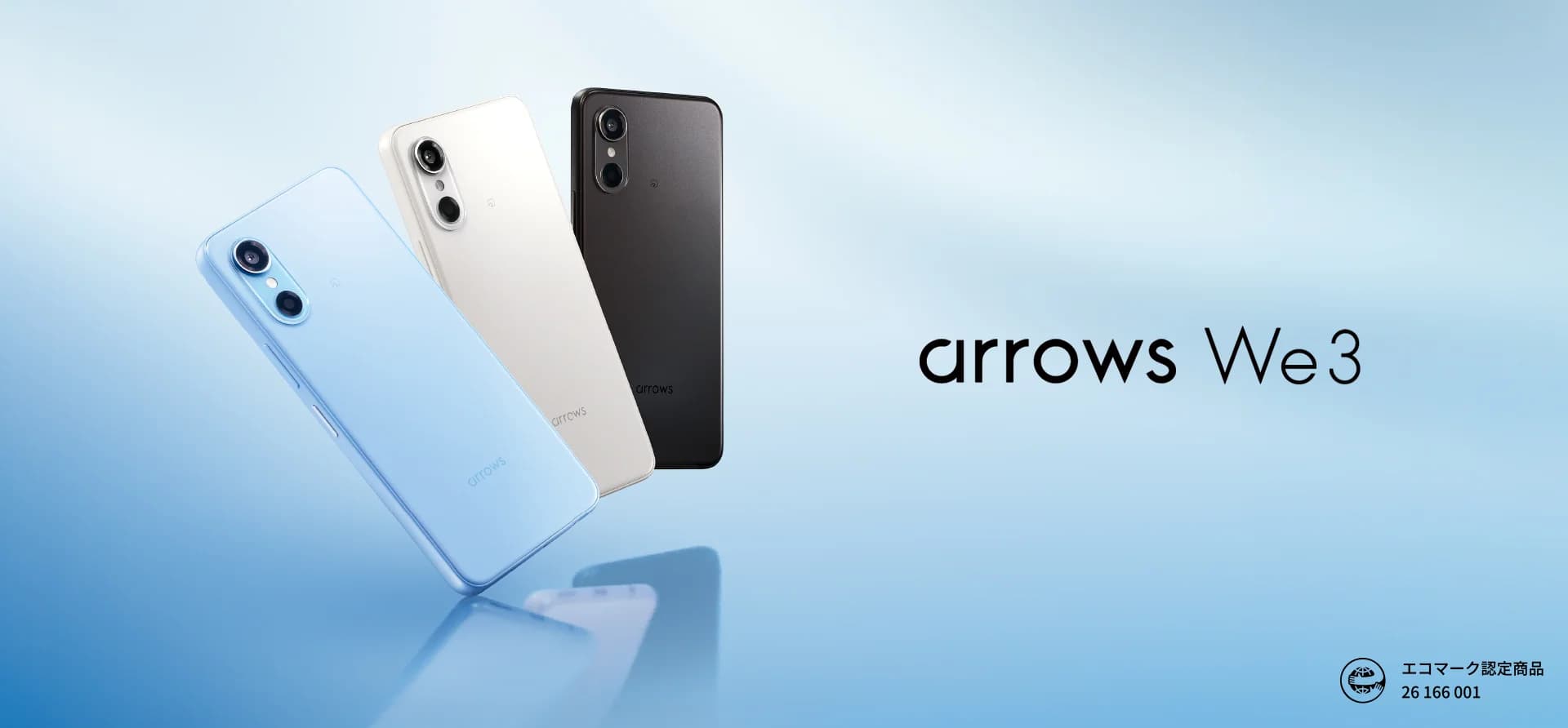
Fujitsu launched the Arrows brand in 2011 with real momentum behind it. The name itself, meaning a powerful arrow, carried the confidence of a company that had just absorbed Toshiba's mobile business and was looking at an open field. Within a year, that confidence had taken its first serious hit. The Arrows X used an Nvidia Tegra 3 processor that overheated badly enough to generate user lawsuits. The brand image cracked early and never fully recovered.
By 2015 Fujitsu had made two decisions that effectively ended any serious ambition for the brand. The first was shifting focus toward the Rakuraku segment, phones designed for elderly users, a defensible market but not one that builds a flagship reputation. The second was spinning off the mobile division entirely. FCNT began operating as an independent subsidiary in 2016, and two years later Japanese private equity firm Polaris Capital took a 70 percent stake. Fujitsu's influence was essentially gone. What remained was a company still assembling phones at the JEMS plant in Hyogo Prefecture, the only manufacturer still building and finishing phones entirely in Japan, carrying that badge of domestic production as its primary remaining point of pride.
The Arrows N, released in 2022, is the clearest possible illustration of where this all led. FCNT priced it at 98,000 yen, roughly the cost of a Chinese flagship running a Snapdragon 8 Gen 2. What was inside was a Snapdragon 695, a mid-range chip with two A78 cores and six A55 small cores that was already behind the curve on release day. The Sharp AQUOS Sense 7, using the same chip, sold for just over half the price in the same market. Japanese consumers were being asked to pay flagship money for mid-range hardware on the strength of environmental credentials and domestic manufacturing.
The environmental angle was genuinely achieved on a technical level. Sixty-seven percent of the phone's weight came from recycled materials. The packaging used FSC-certified paper and environmentally friendly ink. The box shipped without a charger, ahead of a certain California company on that particular point. The build quality was clean and restrained, with a smooth matte plastic back that did not feel cheap and a brushed aluminium mid-frame that held its own against Sony and Sharp. Then you turned it over and saw the unequal top and bottom bezels on the front, and the sense of considered design collapsed immediately.
The camera situation was worse. FCNT partnered with Adobe to make Photoshop Express the default post-processing layer, which sounds impressive until you realise the Snapdragon 695's ISP does not have the horsepower to run that pipeline at any reasonable speed. A single automatic edit took thirty seconds. Night photography was genuinely broken, with focus hunting that could not lock reliably, metering that failed to handle basic highlight situations, and colour noise that appeared at magnification regardless of settings. The only way to get a usable night photo was manual mode with exposure compensation, which is not a solution, it is an admission that the automatic system does not work. The daytime main camera produced acceptable results and occasionally delivered images with an accidental vintage quality that came from the weak HDR processing rather than any intentional tuning.
Gaming performance confirmed what the chip specifications predicted. Honor of Kings averaged 47 frames per second with frequent drops below 30 during team fights. A newer title running on low settings produced less than 10 frames per second during map exploration and dropped to near single digits in combat. The Snapdragon 695 was not designed for sustained graphical load and the Arrows N had no thermal or software solution that changed that reality.
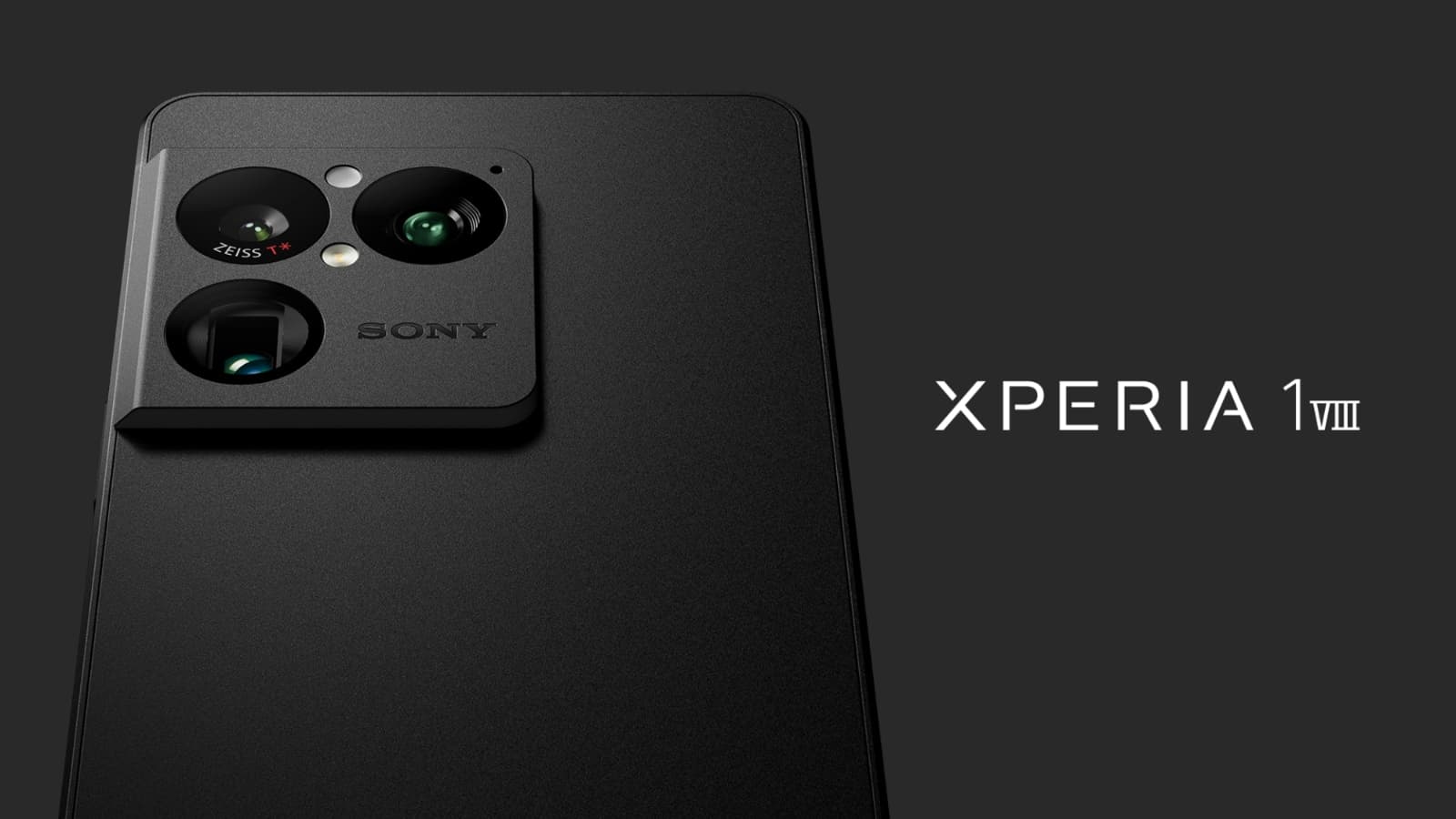
The broader problem behind all of this is not specific to Fujitsu. Japanese phone manufacturers operated inside a carrier-dominated ecosystem where operators defined product requirements more than manufacturers did. Android's open platform became a vehicle for carrier software bundles rather than a foundation for building compelling user experiences. Sony recognised part of this problem in 2016 when it stripped back Xperia's UI in favour of a cleaner interface, but the deeper issue of building interaction logic around touch and modern user behaviour went unaddressed across the industry. Japanese manufacturers produced hardware updates annually and shipped a handful of proprietary apps as evidence of software effort. The result was phones that felt like they were designed by committees serving carrier requirements rather than by teams trying to build something people would want to use.
FCNT filed for bankruptcy in 2023 with liabilities exceeding 70 billion yen. Lenovo completed a full acquisition in September of that year, and the Arrows brand continued under new ownership. The phones that followed share the Arrows design language on the outside and run Motorola's software on the inside. Lenovo reached third place in Japan's smartphone market in 2024 with 8.5 percent share. That achievement belongs to Lenovo's supply chain and Motorola's software infrastructure. The Fujitsu that named its phones after powerful arrows and meant it has nothing to do with what the brand is now.
Japanese culture has a specific affection for the tragic hero, the figure who fights honourably against impossible odds and falls with dignity. The Arrows story does not qualify. Charging premium prices for mid-range hardware while the industry moved forward is not a honourable last stand. It is a failure to take the people buying your products seriously, and the market reflected that assessment clearly and without sentiment.